
How to Tell When It’s Time to Replace Living Room Furniture
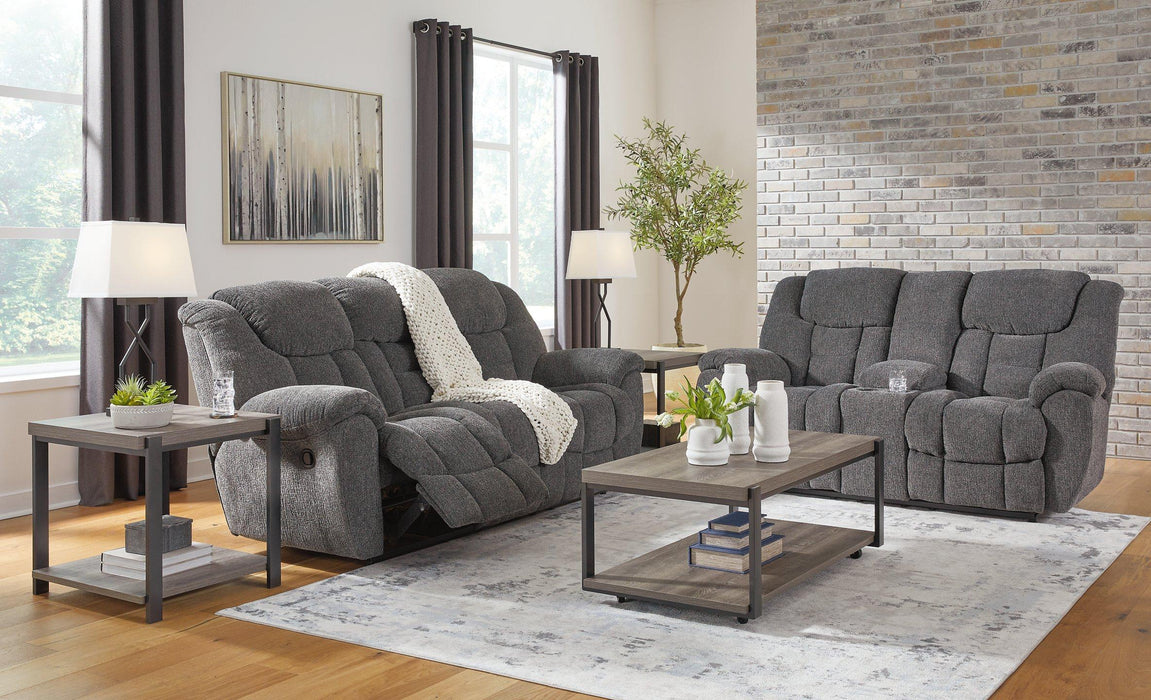
That favorite couch you’ve cherished for over a decade might be sending you subtle signals that it’s time for retirement. While many homeowners develop emotional attachments to their living room furniture, ignoring clear warning signs can lead to safety hazards, health issues, and an uncomfortable living space.
Understanding when to replace your furniture isn’t always straightforward. Many factors influence replacement timing, from daily use patterns to material quality. The average sofa lasts 7-15 years, while coffee tables and side tables can endure 5-25 years, depending on construction quality. However, these timeframes serve only as guidelines - the actual condition of your furniture pieces tells the real story.
Recognizing the red flags that indicate replacement time will help you make informed decisions about your living room. Whether you’re dealing with structural damage, comfort issues, or simply outgrown your current style, this comprehensive guide will help you determine when it’s time to replace your living room furniture.
Key Warning Signs Your Living Room Furniture Needs Replacing
Several clear signs indicate your living room furniture has reached the end of its useful life. These observable indicators typically appear after years of daily use and signal that replacement should be seriously considered.
Structural instability represents the most critical warning sign. Wobbly chairs, loose coffee table legs, or creaking sounds from your sofa frame indicate potential safety hazards. When furniture can no longer support normal weight safely, immediate replacement becomes necessary.
Comfort degradation manifests as flat, unsupportive seat cushions that no longer spring back after use. If you find yourself constantly adjusting pillows or adding decorative pillows for basic comfort, your furniture has lost its functional purpose.
Persistent odors that resist cleaning efforts suggest deep contamination within upholstery materials. Pet accidents, spills, and accumulated sweat can penetrate cushioning beyond surface-level cleaning capabilities.
Visible upholstery damage includes frayed edges, permanent stains, tears, and significant fading. When professional cleaning no longer improves appearance, replacement becomes the most practical solution.
Mechanism failures in recliners, extendable tables, or sofas with moving parts create both functional and safety concerns. Broken springs, failed reclining mechanisms, or stuck extension features indicate internal component breakdown.
Size mismatches become apparent when furniture no longer fits your space appropriately. Oversized pieces that crowd walkways or undersized furniture that looks lost in larger rooms signal a need for properly proportioned replacements.
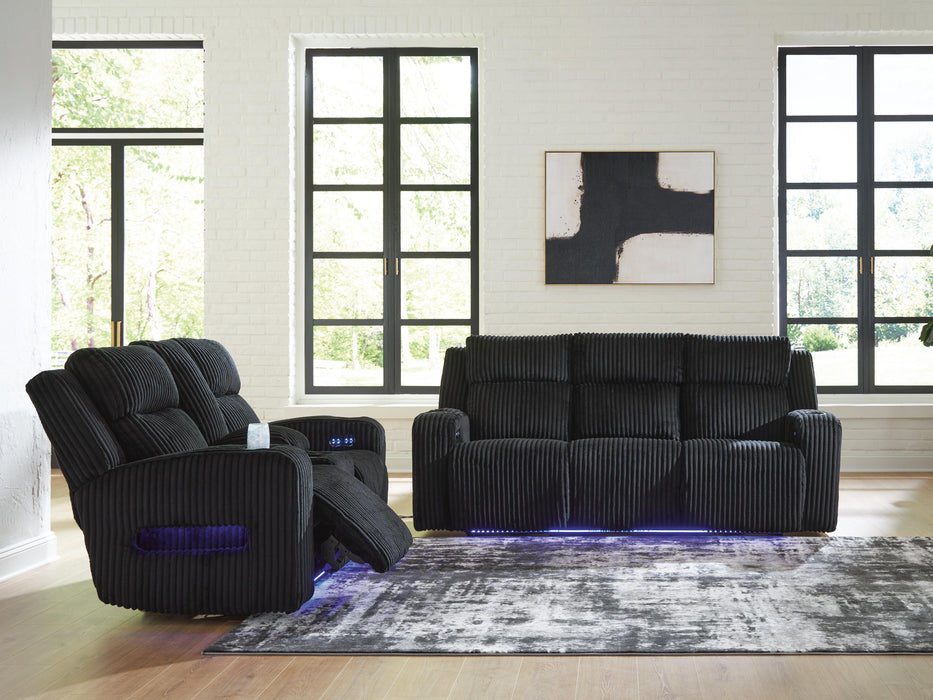
Most furniture shows initial wear signs after 5-7 years of regular use. However, high quality furniture with solid construction can maintain functionality well beyond average lifespans with proper care. The key lies in recognizing when wear transitions from cosmetic to functional failure.
Structural Problems That Signal Replacement Time
Creaking sounds from your furniture frame indicate internal structural weakness that compromises safety and longevity. These noises typically originate from wooden joints that have loosened over time or metal frames developing stress fractures under repeated weight loads.
Wooden furniture joints naturally weaken as adhesives age and wood expands and contracts with humidity changes. Traditional mortise and tenon construction in high quality furniture provides superior longevity, while furniture built with simple screws and dowels fails more rapidly. When wooden joints become loose enough to produce audible creaking during normal use, the structural integrity has been compromised.
Metal frames present different failure patterns, developing wobbles as connection points wear and stress points develop micro-fractures. Coffee tables with metal legs often develop instability first at floor contact points, creating dangerous tipping hazards. Chairs with metal frames may develop back-to-seat connection failures that create sudden collapse risks.
Broken springs within sofa cushions create uneven seating surfaces and loss of proper support. These internal failures often produce popping or snapping sounds when pressure is applied. Springs can break due to metal fatigue, excessive weight loads, or simply age-related deterioration. When multiple springs fail, the entire seating area becomes uncomfortable and potentially unsafe.
Professional repair costs for structural issues frequently exceed 60-70% of new furniture prices. Frame repairs require disassembly, which often reveals additional hidden damage. Replacing broken springs involves complete upholstery removal and reconstruction. These extensive repair requirements make replacement the more economical choice in most cases.
Safety risks from structurally compromised furniture extend beyond the obvious collapse potential. Unstable coffee tables can tip unexpectedly, causing injury or property damage. Chairs with loose legs may fail during normal seating motions. Even minor structural instability creates ongoing stress and anxiety about furniture reliability.
Comfort and Support Issues
Flat, sinking cushions represent the most common comfort failure in living room furniture. Quality sofa cushions should recover their shape within minutes of use, providing consistent support for proper seating posture. When cushions remain depressed or develop permanent indentations, the internal foam or spring systems have deteriorated beyond functional recovery.
Loss of lumbar support affects long-term health and comfort during extended sitting periods. Properly designed seating maintains the natural curve of the lower spine, preventing back strain and promoting good posture. When cushions lose their ability to provide this essential support, sitting becomes uncomfortable and potentially harmful over time.
Sagging creates visible dips in sofa seats that concentrate body weight in unnatural positions. This uneven weight distribution causes discomfort during use and accelerates additional cushion breakdown. Sagging typically begins subtly but progresses rapidly once structural support elements begin failing.
Temporary fixes like adding pillow inserts, decorative pillows, or placing plywood under cushions provide short-term relief but cannot restore proper support characteristics. These solutions often create new comfort problems while failing to address underlying structural failures. When these band-aid approaches become necessary for basic functionality, replacement represents the appropriate long-term solution.
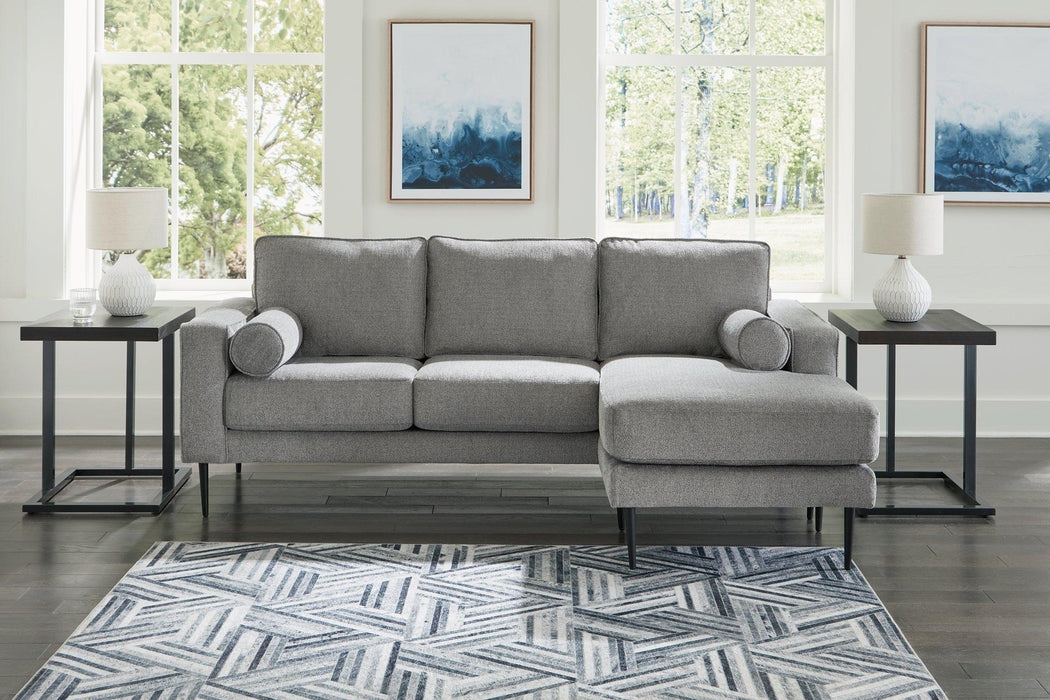
Poor support affects posture and can contribute to chronic back pain, neck strain, and general discomfort during relaxation time. Living room furniture serves as the primary seating for many daily activities, including reading, watching television, and socializing. When these activities become uncomfortable due to inadequate support, quality of life suffers significantly.
Cushion deterioration follows predictable patterns based on usage frequency and initial quality. Foam cushions typically maintain support for 7-10 years under normal use, while higher-density materials and spring-supported systems can provide longer service life. However, households with heavy daily use, pets, or children may experience faster degradation requiring earlier replacement.
Appearance and Hygiene Problems
Upholstery Damage
Frayed edges around armrests, seat fronts, and cushion corners indicate fabric fiber breakdown from repeated contact and friction. This wear pattern typically appears first in high-contact areas where clothing and skin regularly interact with upholstery materials. Once fraying begins, it accelerates rapidly as loose fibers catch and pull during normal use.
Tears from pet claws, sharp objects, or general wear create both aesthetic and functional problems. Small tears expand over time, particularly in fabric upholstery that lacks the self-healing properties of quality leather. Pet damage often appears as parallel scratch marks on leather surfaces or pulled threads in fabric materials that create snag points for future damage.
Permanent stains from food spills, pet accidents, or beverage incidents become set into upholstery fibers despite immediate cleaning efforts. Daily use exposes furniture to countless opportunities for staining, and accumulated incidents eventually exceed cleaning capabilities. Red wine, coffee, grease, and biological stains present the most challenging removal scenarios.
Professional cleaning services can address many staining issues, but limitations exist based on stain age, material type, and contamination depth. When professional cleaning no longer produces satisfactory results, replacement becomes necessary to restore aesthetic appeal and hygiene standards.
Fabric wear patterns develop gradually but become obvious once fiber density decreases in high-use areas. Seat cushions, armrests, and back support areas show wear first due to concentrated friction and body contact. This wear appears as lighter coloring, thinner texture, or visible backing material showing through surface fibers.
Odors and Contamination
Persistent smells from pet accidents penetrate deep into cushion materials where conventional cleaning cannot reach. Urine, in particular, soaks through surface materials into foam padding and wooden frame components. These biological contaminants create ongoing odor problems that resist surface cleaning efforts and may require professional enzyme treatments.
Accumulated sweat and body oils from years of use create musty odors that intensify over time. Human skin naturally produces oils and moisture that transfer to upholstery during contact. This contamination builds up gradually and becomes particularly noticeable in homes with high furniture use or warm climates.
Steam cleaning and deodorizing treatments can address surface-level odor issues but prove ineffective against deep contamination. Professional services using specialized equipment and chemicals provide more thorough treatment but cannot always eliminate odors that have penetrated to internal cushioning materials.
Health concerns arise from allergens trapped in old upholstery that cannot be removed through conventional cleaning. Dust mites, pet dander, pollen, and other allergens accumulate in fabric fibers and cushion materials over years of use. For family members with allergies or respiratory sensitivities, this contamination can trigger ongoing health issues.
Pest infestations, including bedbugs, fleas, or fabric moths, can establish themselves in upholstered furniture. These infestations often prove difficult to eliminate completely without professional treatment, and heavily infested furniture may require disposal to prevent reinfestation of the living space.
Fading and Discoloration
Sunlight exposure near windows causes gradual but permanent color changes in both fabric and leather upholstery. Ultraviolet radiation breaks down dye molecules and weakens material fibers, creating uneven coloring patterns based on sun exposure angles. Furniture positioned near south-facing windows experiences the most severe fading damage.
Uneven color patterns develop when some furniture areas receive more light exposure than others. Armrests, seat backs, and cushion tops often fade while protected areas maintain original coloring. This creates a patchwork appearance that becomes increasingly obvious over time.
Color changes extend beyond simple fading to include yellowing, browning, or complete color loss in severely affected areas. These changes indicate material breakdown that affects durability as well as appearance. Weakened fibers become more susceptible to tearing and additional damage.

Slipcovers provide temporary appearance improvement but represent a band-aid solution that doesn’t address underlying material deterioration. While slipcovers can extend furniture appearance life, they cannot restore structural integrity or address internal contamination issues that may accompany long-term use.
Space and Lifestyle Changes
Furniture that no longer fits room dimensions after moving to a new house creates functional and aesthetic problems that necessitate replacement. A sectional sofa perfect for a spacious family room becomes overwhelming in a smaller apartment living room, blocking natural traffic flow and making the space feel cramped.
Oversized pieces that block walkways or crowd smaller spaces create daily navigation challenges and potential safety hazards. Furniture should facilitate comfortable movement through living areas rather than creating obstacles. When existing furniture forces awkward movement patterns or reduces usable floor space significantly, replacement with appropriately sized pieces improves both function and safety.
Tiny loveseats that look lost in large family rooms fail to provide adequate seating capacity and create poor visual proportions. Undersized furniture in spacious areas appears insignificant and fails to anchor the room design effectively. This mismatch becomes particularly apparent when entertaining guests who require additional comfortable seating options.
Family growth changes seating requirements as children develop and households expand. A couple’s initial furniture selection may prove inadequate when children reach ages requiring adult-sized seating or when extended family visits become regular occurrences. Growing families need furniture that can accommodate changing social patterns and increased usage demands.
Accessibility needs for elderly family members require furniture heights and designs that support safe, comfortable use. Standard sofa heights may become difficult for seniors to navigate safely, while chairs lacking armrests create stability challenges during sitting and standing motions. Accommodating these needs often requires replacing existing furniture with pieces designed for accessibility.
Lifestyle changes such as working from home, increased entertaining, or new hobbies may require different furniture arrangements or types. Remote work might necessitate a more formal seating area for video calls, while increased social activities could require additional seating capacity or more flexible arrangement options.
Style Evolution and Decorating Changes
Decorating tastes naturally evolve over 5-10 year periods as design trends change and personal preferences mature. Traditional floral patterns that felt appropriate years ago may appear outdated when compared to current minimalist or contemporary design preferences. This evolution creates tension between functional furniture and desired aesthetic appearance.
Home renovations including new paint colors, flooring updates, or window treatments can make existing furniture appear mismatched or outdated. A kitchen renovation that introduces modern stainless steel appliances may highlight the traditional wood finishes in adjacent living areas. Similarly, new hardwood floors might clash with existing upholstery colors or patterns.
Color coordination becomes challenging when new design elements conflict with established furniture pieces. Paint color changes, new artwork, or updated lighting fixtures can create color harmony issues that make existing furniture appear out of place. These conflicts become more apparent over time as the contrast becomes familiar and increasingly noticeable.
Reupholstering existing furniture can address style mismatches but often costs more than purchasing new pieces. Professional reupholstery requires 6-8 weeks for completion and typically costs 70-80% of new furniture prices. When reupholstering approaches new furniture costs, replacement offers additional benefits including updated internal components and modern construction techniques.
Transitioning from formal to casual living styles, or vice versa, requires furniture that supports the desired lifestyle. Formal living rooms with structured seating arrangements may no longer suit families preferring casual, flexible entertainment options. Conversely, casual furniture may appear inappropriate when homeowners develop preferences for more elegant entertaining styles.
Expected Lifespan Guidelines for Living Room Furniture
Understanding typical furniture lifespans helps establish realistic replacement timelines and budget planning for living room updates. However, these guidelines represent averages that can vary significantly based on construction quality, usage patterns, and maintenance practices.
|
Furniture Type |
Expected Lifespan |
Quality Factors |
|---|---|---|
|
Sofas |
7-15 years |
Frame material, cushion quality, upholstery type |
|
Coffee Tables |
10-20 years |
Wood species, construction method, finish quality |
|
Accent Chairs |
10-15 years |
Frame construction, mechanisms, upholstery durability |
|
Side Tables |
15-25 years |
Material quality, joinery methods, protective finishes |
|
Recliners |
8-12 years |
Mechanism quality, motor reliability, upholstery wear |
Solid wood frames significantly outlast particle board or engineered wood alternatives. Hardwood species, including oak, maple, and cherry, provide superior structural longevity compared to softwood or composite materials. Traditional joinery methods, such as mortise and tenon connections, create stronger, longer-lasting frame construction than modern fastener-based assembly.
High quality furniture with reinforced joints, premium materials, and superior construction techniques can exceed average lifespans by 50-100%. Conversely, budget-friendly furniture often fails before reaching minimum expected lifespans due to inferior materials and simplified construction methods.
Usage frequency dramatically impacts furniture longevity. Pieces receiving heavy daily use from large families, pets, or frequent entertaining wear faster than furniture in adult-only households with moderate usage patterns. Living rooms serving as primary family gathering spaces experience accelerated wear compared to formal spaces used occasionally.
Maintenance quality affects furniture lifespan through preventive care and prompt attention to minor issues. Regular cleaning, rotation of cushions, and immediate treatment of spills can extend furniture life significantly. Professional cleaning services every 1-2 years help maintain appearance and hygiene standards.

Genuine leather upholstery typically provides longer service life than fabric alternatives when properly maintained. Quality leather develops character over time while maintaining structural integrity, whereas fabric upholstery shows wear patterns more obviously and requires replacement sooner. However, leather requires specific care products and techniques to achieve maximum longevity.
Environmental factors, including sunlight exposure, humidity levels, and temperature fluctuations, affect material deterioration rates. Furniture positioned away from direct sunlight and maintained in climate-controlled environments lasts longer than pieces subjected to extreme environmental conditions.
When Repair Makes Sense vs. Replacement
Professional reupholstery costs typically range from $600-$1,500 for standard sofas, while new furniture of comparable quality ranges from $800-$2,000. When reupholstery costs exceed 70% of new furniture prices, replacement becomes the more economical choice. However, cost comparisons should include additional factors beyond initial price considerations.
Sentimental value justifies repair expenses for cherished family heirloom pieces with emotional significance. A grandfather’s handcrafted chair or family couch with decades of memories may warrant expensive restoration regardless of economic logic. These pieces represent irreplaceable family history that transcends simple cost-benefit analysis.
Structural problems including broken frames, failed springs, or mechanism failures often require complete disassembly for proper repair. Frame repairs may reveal additional hidden damage that increases repair costs unexpectedly. Comprehensive structural repairs frequently approach or exceed new furniture costs while providing limited warranty protection.
Timeline considerations affect repair decisions when furniture is needed immediately. Professional reupholstery typically requires 6-8 weeks for completion, during which time the furniture remains unavailable for use. Families requiring immediate seating solutions may need to rent temporary furniture or purchase replacement pieces regardless of repair plans.
Warranty differences between repaired and new furniture favor replacement in most circumstances. New furniture typically includes manufacturer warranties covering defects and premature failures, while repaired furniture offers limited warranty coverage on repair work only. This warranty protection provides valuable peace of mind for major furniture investments.
Antique or structurally sound solid wood pieces often justify repair costs due to superior original construction. Furniture built decades ago using traditional techniques and premium materials may provide better long-term value through restoration than modern alternatives. However, this applies primarily to genuinely high-quality vintage pieces rather than typical mass-produced furniture.
Shop At Aumand's Furniture Today!
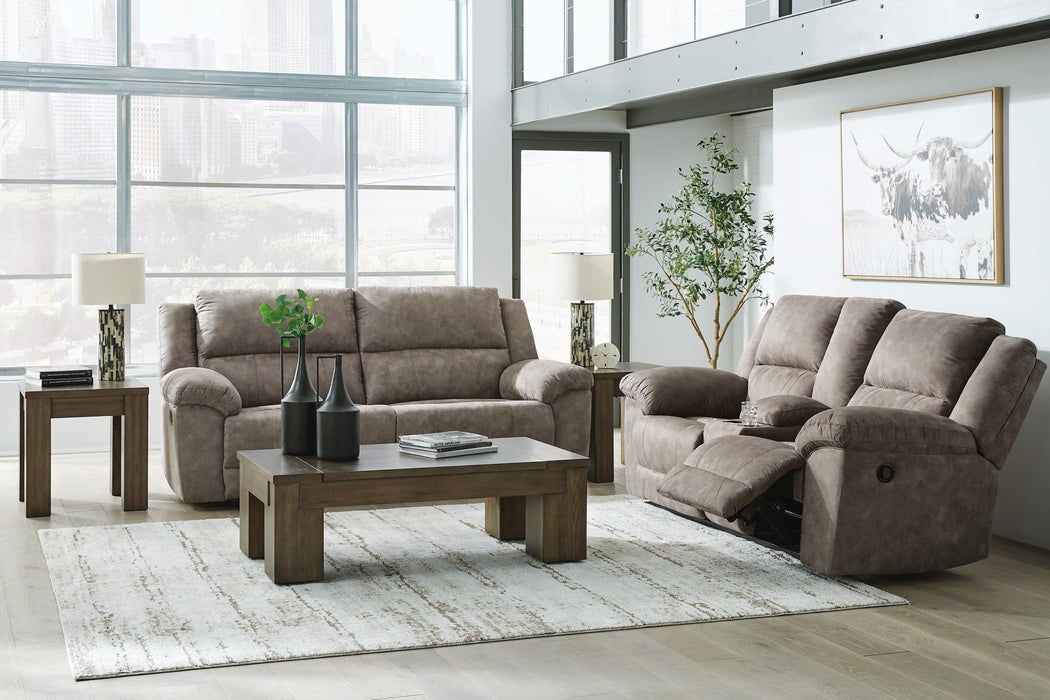
Knowing when it’s time to replace your living room furniture can make a big difference in comfort and style. When pieces start to sag, creak, or lose their support, they no longer provide the relaxation your home deserves. We understand how important it is to have furniture that feels as good as it looks.
If the fabric is worn, the cushions are flat, or the frames feel unstable, your furniture may be past its prime. Our team often reminds customers that visible wear isn’t just cosmetic—it affects how you experience your living space every day. Upgrading ensures your home stays inviting, functional, and comfortable.
When you’re ready for something new, we’re here to guide you toward pieces that match your lifestyle and design preferences. At Aumand's Furniture, we offer quality living room furniture that brings fresh comfort and long-lasting durability to your home.
Conclusion
Determining when to replace living room furniture requires an honest assessment of multiple factors, including structural integrity, comfort levels, appearance standards, and changing lifestyle needs. While emotional attachment to familiar pieces is natural, safety and functionality should guide replacement decisions.
The clear signs outlined in this guide provide objective criteria for evaluating your existing furniture condition. Structural instability, persistent odors, significant comfort degradation, and safety concerns warrant immediate replacement regardless of sentimental value. Lesser issues like minor wear or style preferences allow for more flexible timing based on budget and personal priorities.
Remember that quality furniture represents a significant investment that impacts daily comfort and home safety. Don’t wait for complete furniture failure to force emergency replacement decisions. Proactive replacement planning allows for careful selection and budgeting while ensuring your living room continues serving your family’s needs effectively.
Regular assessment of your furniture condition using these guidelines will help you recognize when it’s time to replace your living room furniture before problems become severe. Your living space should provide comfort, safety, and aesthetic pleasure - when existing furniture no longer delivers these essential qualities, replacement becomes both practical and necessary.