
Why Weather Resistance Matters in Outdoor Furniture

Your outdoor furniture lives outside 365 days a year. It faces morning dew in spring, scorching afternoon sun in July, autumn rain that lasts for days, and winter storms that would send most indoor pieces straight to the landfill. Unlike a living room sofa that sits in climate-controlled comfort, your patio set absorbs every temperature swing, every gust of wind, and every downpour the sky delivers.
Understanding the difference between weather-resistant and weatherproof helps set realistic expectations. Weather-resistant furniture is designed to handle sun exposure, moisture, and temperature fluctuations with minimal damage over time. Weatherproof takes it a step further; these pieces can stay outside in most conditions with almost no risk of water penetration or structural compromise. Both terms matter, but knowing which level of protection you need depends on your local climate and how much effort you want to put into seasonal care.
Choosing weather-resistant outdoor furniture directly affects how long your pieces last, how often they need replacing, and how much time you spend on maintenance instead of actually relaxing outside. From 2015 to 2025, there has been a steady trend toward all-weather materials like aluminum, teak, and HDPE (high-density polyethylene) rather than untreated wood or indoor-grade fabrics. This shift reflects a growing understanding that upfront material choice determines long-term outdoor living experience.
This article covers what you need to know: which materials perform best, how different weather conditions damage furniture, what maintenance looks like in practice, and how to match your purchase to your specific climate and lifestyle.
Why Weather Resistance Matters in Outdoor Furniture
Picture this scenario: you invested in a patio dining set last spring. By August, the cushion colors had faded noticeably. By the following winter, the metal frame showed rust spots at every joint. A year later, the wood tabletop had warped enough that glasses wobbled. This is not bad luck; it is what happens when furniture lacks proper weather resistance.
Outdoor furniture faces UV rays, rain, morning dew, frost, and wind-blown debris almost every day in most climates. Spring storms in the Midwest can dump inches of rain in hours. Humid summers in the Southeast create constant moisture that never fully evaporates. Dry sun in the Southwest bakes surfaces to extreme temperatures. Each of these conditions attacks furniture in different ways, and materials that are not engineered for outdoor use simply cannot keep up.
Typical failures in non-weather-resistant furniture include fabric fading within a single season, surface cracking and peeling finishes, rusted screws and hardware, moldy cushions that smell even after cleaning, and wobbling frames where joints have loosened. These problems are not just cosmetic; they affect structural integrity, comfort, and safety.
Weather-resistant furniture is engineered to resist fading, cracking, swelling, and corrosion. This means fewer repairs, fewer replacements, and more time actually using your outdoor space over a 5-to-10-year period. Good weather resistance also protects comfort and visual appeal: seats stay supportive, colors stay vibrant, and surfaces do not become rough or splintered.
Why weather resistance matters: a quick recap:
-
Protects against UV damage that fades fabrics and degrades plastics
-
Prevents rust and corrosion on metal frames and hardware
-
Stops moisture from causing rot, mold, and structural warping
-
Maintains aesthetic appeal and color vibrancy across seasons
-
Reduces long-term maintenance costs and replacement frequency
-
Keeps furniture comfortable and safe for years of regular use
Key Environmental Threats to Outdoor Furniture
“Weather” is not a single force; it is a combination of several stressors that attack different materials in different ways. Understanding these threats helps explain why weather-resistant materials are worth the investment.
UV Exposure
UV rays break down plastics, fabrics, and protective finishes at the molecular level. The damage is cumulative and often invisible until it is too late. Dark cushions sitting in direct sun can fade dramatically after just one summer if the fabric is not UV stabilized. Beyond color loss, UV exposure causes plastics to become brittle and crack, wood finishes to peel, and synthetic wicker to degrade. Intense sun in the desert Southwest or on a south-facing urban rooftop creates particularly harsh conditions.
Moisture and Humidity
Rain is the obvious culprit, but fog, coastal air, and morning dew create constant moisture exposure that many homeowners underestimate. Water leads to swelling and rot in untreated wood, rust on steel frames, and mold or mildew on fabrics and foam cushions. High-humidity areas and coastal climates with salty air accelerate these problems significantly. Saltwater exposure in coastal areas and coastal environments creates additional corrosion challenges that basic materials cannot handle.
Temperature Changes
Expansion and contraction between hot afternoons and cool nights cause warping, cracking, and loosening joints, especially in wood and low-quality plastics. A patio table that heats to 140°F in afternoon sun and cools to 60°F overnight experiences stress that accumulates over time. Extreme temperatures, both hot summers and freezing winters, push materials to their limits. Freeze-thaw cycles in northern climates are especially damaging, as water trapped in pores expands when it freezes.
Wind and Storms
Strong winds tip over lightweight furniture, send cushions flying, and blow debris that scratches surfaces and damages finishes. Heavier or well-designed pieces resist being moved or damaged during storms. In exposed locations, coastal decks, rooftop patios, and open plains, wind resistance becomes a practical safety concern, not just a convenience factor.
Best Weather-Resistant Materials for Outdoor Furniture
Material choice in 2024 is the single most important factor in long-term weather resistance, often more important than style, brand, or color. Durable materials engineered for outdoor use can last decades, while poor material choices lead to frustration and wasted money.
Powder Coated Aluminum
Aluminum furniture has become one of the most popular weather-resistant options for good reason. Powder-coated aluminum is rust-resistant, lightweight, and ideal for humid or coastal regions where salty air would destroy steel. The powder coating process creates a barrier layer that prevents direct contact between the base metal and corrosive elements. Quality aluminum furniture can last 10 years or more when coatings remain intact. The lightweight nature makes it easy to rearrange, though this can be a disadvantage in windy locations.
Teak and Dense Hardwoods
Teak remains the gold standard for wood furniture that lives outdoors. Its natural oils repel water and provide inherent resistance to rot and insects without chemical treatment. A well-made teak piece can last 15 to 25 years outdoors with basic care. Over time, teak develops a silver-gray patina that many find attractive. This natural aging does not indicate degradation but rather the wood’s adaptation to its environment. The wood is naturally resistant to harsh weather conditions due to its dense grain structure.
Other dense hardwoods like acacia and eucalyptus offer more affordable alternatives to teak. These woods can perform well outdoors but typically require more frequent sealing and occasional maintenance to maintain their appearance and resist moisture. They are slightly less durable in constant moisture than teak, but still outperform softer woods by a wide margin.
Synthetic Wicker and PE Rattan
Synthetic wicker made from polyethylene has largely replaced natural and traditional wicker for outdoor use. UV-stabilized PE wicker outperforms natural materials outdoors, resisting cracking and fading when woven over aluminum frames. This combination provides the warm, textured look of natural wicker without the maintenance headaches, no rotting, no unraveling, no mildew. Quality synthetic wicker furniture can resist fading for years while requiring minimal maintenance.
HDPE Lumber
HDPE lumber is solid, heavy, fully-dyed plastic often made from recycled plastic materials like milk jugs. This material is highly resistant to water, salt, and UV rays, making it ideal for coastal decks, pool areas, and any location with constant moisture exposure. HDPE furniture requires minimal maintenance, just occasional cleaning with mild soap, and maintains its color because pigments are distributed throughout the material rather than applied to the surface. The recycled content also appeals to environmentally conscious buyers.
High-Performance Outdoor Fabrics
Weather-resistant options for cushions and upholstery have improved dramatically. Solution-dyed acrylics and other performance textiles are UV-resistant, water-repellent, and mold-resistant. These fabrics stay comfortable to sit on even in summer heat and dry quickly after rain. Look for fabrics specifically marketed for outdoor use, as indoor fabrics, even durable ones, typically lack the UV protection and moisture resistance needed for year-round exposure.
How Weather-Resistant Design Enhances Durability
Materials alone are not enough. Frame design, joinery, and protective finishes play a major role in how furniture actually survives outdoors. Two chairs made from the same aluminum can have very different lifespans depending on how they are constructed.
Protective Finishes and Coatings
Protective coatings create the first line of defense against environmental damage. Powder coating on metal prevents corrosion and resists chipping better than paint. Marine-grade varnish or teak oil on wood protects against moisture penetration while allowing the grain to breathe. UV-stable pigments in plastics prevent the fading and brittleness that sun exposure causes. These finishes need to remain intact to work; chips or scratches should be addressed with occasional touch-ups before corrosion or damage spreads.
Construction Quality and Joinery
Welded aluminum frames are stronger and more corrosion-resistant than frames held together with screws and bolts. Stainless steel hardware resists rust far longer than standard steel or zinc-plated fasteners. In wood furniture, mortise-and-tenon joints resist loosening when exposed to repeated wet-dry cycles better than simple butt joints or dowels. Quality construction costs more upfront but dramatically extends functional lifespan.
Cushion and Fabric Design
Quick-drying foam, vented cushions, and breathable fabrics shed water instead of trapping it. Standard indoor foam can hold moisture for days after rain, creating ideal conditions for mold and mildew. Outdoor-rated cushion cores drain rapidly and dry completely, often within hours. Fabrics that resist water penetration while still allowing air circulation keep cushions fresh and comfortable through years of exposure.
Drainage and Airflow Features
Well-designed outdoor furniture incorporates features that prevent water from pooling. Slatted tabletops allow rain to pass through rather than collecting. Perforated seats and mesh backs dry quickly. Raised feet keep wood and metal from sitting in constant moisture. These details might seem minor, but they significantly reduce the conditions that cause rot, rust, and mold.
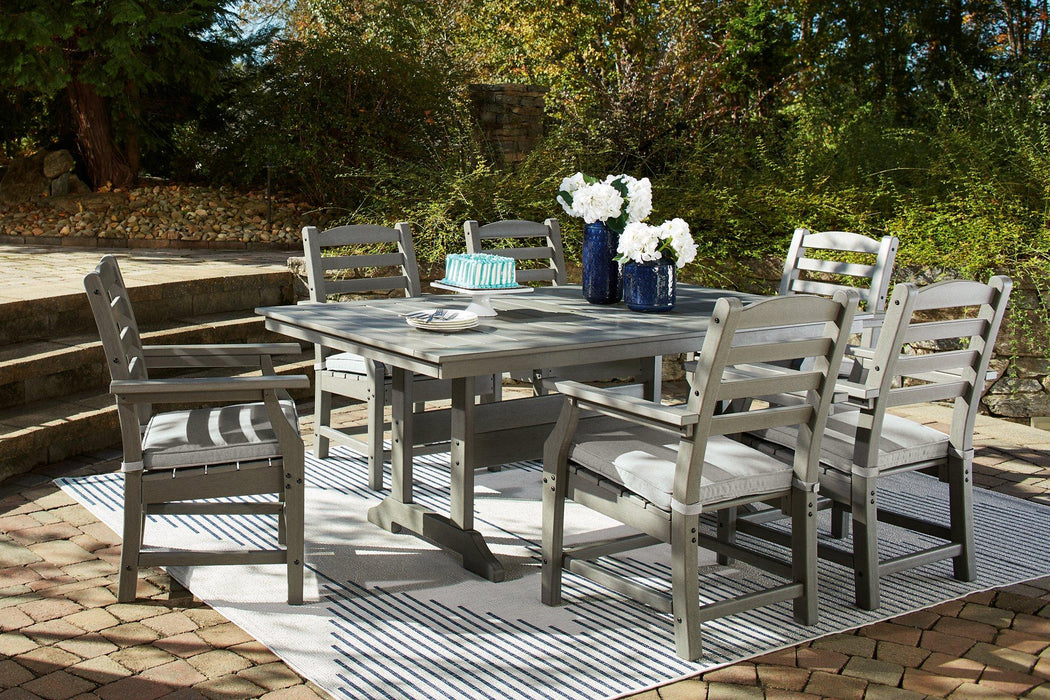
Consider a powder-coated aluminum dining set with quick-dry cushions. After three rainy seasons, the frame shows no rust, the fabric colors remain vibrant, and the cushions smell fresh because water never had a chance to linger. That is the difference between furniture designed for outdoor living and furniture that merely survives it.

Maintenance Expectations for Weather-Resistant Outdoor Furniture
Weather-resistant means low maintenance, not maintenance-free. Simple routines can double the lifespan of outdoor furniture, while complete neglect shortens even the best materials’ functional years. The good news is that quality weather-resistant furniture requires minimal maintenance compared to traditional options.
Basic Cleaning
Routine cleaning is the foundation of furniture care. Rinse frames with plain water to remove dirt and debris. For built-up grime, use mild soap and a soft cloth or soft brush, nothing abrasive. Avoid harsh chemical cleaners and pressure washers, which can strip protective finishes and force water into places it should not go. A simple wash every few weeks during active use keeps furniture looking fresh and prevents buildup that can cause long-term damage. This approach helps remove dirt before it becomes embedded.
Fabric and Cushion Care
Store cushions indoors or in a dry location during extended wet periods or off-season months. Shake off debris regularly and spot-clean stains promptly before they set. After heavy rain, stand cushions on edge to promote airflow and complete drying. If your local climate is particularly wet, protective covers for cushions during storms can extend fabric life significantly. Quality fabrics may be weather-resistant, but they still benefit from basic attention.
Material-Specific Notes
Teak and other hardwoods develop a silver-gray patina naturally. If you prefer the original golden color, periodic oiling or sealing, once or twice per year, maintains the warmer tone. This is purely aesthetic; the patina does not indicate damage. Check powder-coated aluminum annually for chips or scratches and touch up exposed areas before corrosion starts. HDPE surfaces benefit from occasional wiping to remove pollen, sunscreen residue, and other buildup that can dull the finish.
Seasonal Checks
Inspect furniture in spring and fall. Tighten any loose hardware. Look for rust spots on metal and address them immediately. Check synthetic wicker for broken strands and repair before damage spreads. Proper storage during harsh winter months, or at a minimum, using furniture covers, protects pieces from the worst extreme weather.
Quick Maintenance Checklist:
-
Rinse with water and clean with mild soap monthly during the use season
-
Spot-clean fabric stains promptly; stand cushions to dry after storms
-
Inspect hardware and tighten as needed in spring and fall
-
Touch up chips in powder-coated finishes before rust develops
-
Store or cover cushions during extended wet periods or winter storage
Cost, Value, and Long-Term Savings
Weather-resistant patio furniture often costs more upfront than budget alternatives from big-box stores. But furniture is not a single-purchase decision; it is a cost-over-time calculation that changes the math significantly.
The Replacement Cycle Problem
Low-cost, non-weather-resistant sets often need partial or full replacement every 1 to 3 years, especially in sunny or coastal regions. A dining set that costs half as much but lasts one-third as long is not a bargain. Factor in the time spent shopping, assembling, and disposing of failed furniture, and the hidden costs grow further. Weather-resistant pieces from quality manufacturers can last a decade or more, making them cheaper per year of use despite higher initial prices.
A Simple Comparison
Consider a mid-range weather-resistant dining set purchased in 2024. If it remains functional and attractive through 2030 and beyond, the cost per year drops steadily. Compare that to buying a cheaper set in 2024, replacing it in 2026 when the rust and fading become unacceptable, and replacing it again in 2028. By 2030, the “budget” approach has cost more in total and consumed far more time and hassle.
Indirect Savings
Investing in weather-resistant furniture reduces maintenance costs over time. Less time spent cleaning, repairing, and resealing means more time actually using your outdoor living space. Fewer furniture disposals reduce environmental impact, and landfills receive fewer failed chairs and tables when homeowners buy durable furniture built to last. The reduced need for protective coatings, annual treatments, and seasonal weatherproofing adds up across years of ownership.
Beyond Financial Return
Value is not purely financial. Consistent comfort matters, knowing your chairs will not wobble, and your cushions will not smell musty. Reliable seating for guests matters when you want to host dinner on your patio without inspecting every piece first. A deck or patio that always looks ready to use, without requiring weekend prep work, creates an inviting outdoor area that actually gets used. That usability is the real return on investment.
Design, Comfort, and Aesthetic Benefits
Older generations of “all-weather” furniture earned a reputation for being bulky, plastic-looking, and uncomfortable. That perception no longer matches reality. Modern weather-resistant designs offer both performance and style, creating outdoor spaces that feel like natural extensions of indoor rooms.
Contemporary Design Options
Today’s weather-resistant materials allow for slim, modern frames that would have been structurally impossible with older technologies. Deep-seating sectionals designed for outdoor use rival living room comfort. Lounge chairs combine ergonomic support with materials that shrug off rain and sun exposure. The aesthetic appeal of current outdoor furniture lines competes with indoor pieces while surviving conditions that would destroy them.
Color and Texture Variety
UV-resistant fabrics now come in hundreds of colors, from soft neutrals to bold accent tones that resist fading through multiple seasons. Teak and other hardwoods offer natural grain patterns that add warmth and character. Synthetic wicker provides woven textures in various colors and weave patterns, mimicking the look of traditional wicker without the deterioration. These options allow homeowners to create cohesive outdoor spaces that reflect personal style.
Comfort That Lasts
Ergonomic chair backs designed for outdoor use support comfortable sitting through long dinners. Quick-dry foam cushions maintain their shape and support across seasons, unlike standard foam that compresses and degrades. Table heights match indoor dining standards, while the materials resist rust and withstand temperature fluctuations. Comfort does not have to be sacrificed for durability.
Timeless Style Choices
Weather-resistant pieces in classic shapes, simple slat-back chairs, clean-lined sofas, and straightforward dining tables remain stylish from 2024 onward, even as trends change. While trendy designs date quickly, well-proportioned furniture in quality materials stays attractive year after year. The combination of lasting durability and timeless design creates an inviting oasis that ages gracefully.

Choosing the Right Weather-Resistant Furniture for Your Climate and Lifestyle
“Best” materials depend on where you live and how you use your outdoor space. Weekend dining requires different considerations than daily lounging. A poolside setup faces different challenges than a covered porch. Matching weather-resistant pieces to your specific situation maximizes value and satisfaction.
Climate-Specific Guidance
Coastal areas with salty air demand corrosion-resistant materials. Powder-coated aluminum furniture and HDPE lumber excel in these environments where steel would rust quickly, and untreated wood would deteriorate. Coastal environments and coastal climates require extra attention to material selection.
Mixed sun and rain climates suit teak and other dense hardwoods well. These natural materials handle moderate moisture and sun exposure gracefully, developing character over time with occasional maintenance.
Windy balconies or exposed rooftop patios benefit from heavier furniture or designs with lower centers of gravity that resist strong winds. Lighter aluminum or folding pieces work well in protected spaces where ease of movement matters more than wind stability.
Sun Exposure Considerations
Uncovered south-facing patios in hot regions receive intense sun all day. These locations need especially UV-stable fabrics and finishes that can handle relentless exposure. UV rays in these settings accelerate fading and material degradation significantly. Shaded porches or covered patios can be more flexible with material choices since direct sun exposure is limited.
Weight and Mobility
Heavier furniture stays put in exposed, windy locations and feels more substantial for daily use. Lighter frames or stackable chairs work well for small patios, urban balconies, or seasonal outdoor setups where pieces need to be stored during winter months. Consider how often you will move furniture and whether proper storage is available.
Decision-Making Process
Start by measuring your outdoor area and understanding how you will use it. Identify the harshest local weather; is it primarily sun, salt, rain, or freeze-thaw cycles? Decide how many seats you need for typical use. Then choose materials that match both your local climate and your maintenance tolerance. Someone who enjoys occasional weekend care might choose teak; someone who wants zero maintenance would prefer HDPE or quality synthetic wicker over aluminum frames.
The right furniture for your situation accounts for all these factors rather than simply following generic recommendations.
Conclusion: Creating an Outdoor Space That Lasts
Weather resistance is not an optional upgrade or a marketing buzzword. It is the foundation of outdoor furniture that actually works year after year, through heat waves and cold snaps, through summer storms and winter snow. Understanding why weather resistance matters changes how you evaluate purchases and what you expect from your investment.
The right combination of durable materials, quality construction, and simple routine cleaning keeps a patio set looking inviting through years of seasons and changing weather. Furniture remains functional and attractive when materials are matched to the climate, finishes protect against specific threats, and basic care prevents small issues from becoming major problems.
Treat your patio or garden like an extension of your home, not an afterthought. The outdoor living space where you share meals, relax on weekends, and gather with friends deserves weather-resistant pieces that you will still enjoy sitting on and looking at many summers from now. Your outdoor living experience improves when you stop worrying about whether your furniture can handle the next storm and start focusing on the time spent outside.
Investing thoughtfully in weather-resistant outdoor furniture today leads to more spontaneous dinners outside, more relaxed weekends, and less time spent on repairs and replacements. That is the real value of weather resistance, not just furniture that survives, but an inviting outdoor area that consistently welcomes you and your guests through whatever weather comes next.
Get your Outdoor furniture at Aumand’s Furniture Today!

Create a dining room that feels comfortable, functional, and welcoming with quality furniture from Aumand’s Furniture. From dining sets that fit your room perfectly to chairs and storage pieces designed for everyday use, the right furniture helps your space work better for daily meals and special gatherings alike. Choose smart designs, lasting materials, and styles that bring people together around the table.