
What Mattress Benefits Are Worth Paying For? (2026 Guide)
Key Takeaways
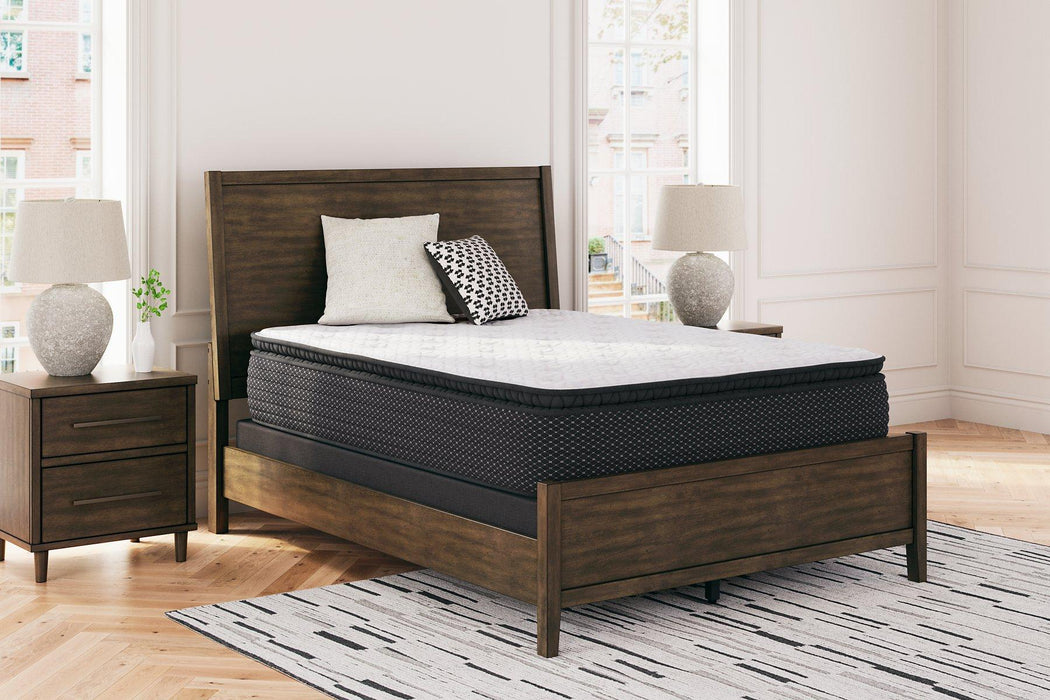
Not every "fancy" mattress feature is worth a premium. Many upgrades sound impressive in ads but make little difference once you're actually sleeping on them. That said, a handful of benefits consistently justify the extra cost because they directly affect how well you sleep and how long the mattress lasts.
-
The mattress benefits worth paying for are: proper spinal support matched to your sleep position, real pressure relief at shoulders and hips, effective cooling for hot sleepers, good motion isolation for couples, strong edge support, and proven durability backed by clear material specs.
-
Most people find the best value in mid-range hybrid mattresses or innerspring mattresses with upgraded foam layers and coils, not in the cheapest beds, and not necessarily in the most expensive luxury mattress options either.
-
If you deal with back pain, carry a heavier body weight, or sleep hot, you'll likely need to spend a bit more on features like zoned coils, high-density foam base layers, and breathable materials.
-
Cosmetic extras, smart beds with apps you won't use, and vague "luxury" labels rarely improve sleep quality enough to justify large price jumps.
-
Below, you'll learn exactly how to decide what to spend based on your body type, sleep style, current old mattress issues, and realistic budget.
Introduction: Why "Worth It" Matters More Than Price Tag
Picture this: you wake up stiff, your lower back aches, and the dip in your mattress has become a crater. Your previous mattress served you well for years, but now it's clearly done. You open your phone to shop for a new mattress and immediately drown in claims about "advanced cooling gel," "ultra-plush pillow tops," and "space-age memory foam feel." Prices range from under $500 to well over $5,000. How do you know what actually matters?
Here's the honest answer: most of those marketing claims won't change your night. But a few specific features-support quality, pressure point relief, cooling design, motion isolation, and material durability-are consistently tied to better sleep. Quality sleep can help regulate mood and improve cognitive function, so the stakes are real. Replacing an old mattress can improve sleep and reduce perceived stress, but only if you choose the right mattress for your needs.
This article breaks down which mattress benefits are worth paying for in 2026 and which ones you can skip. We'll cover all foam mattresses, hybrid mattresses, and innerspring options, plus what combination sleepers, side sleepers, back or stomach sleepers, and heavier individuals should prioritize. All advice here is brand-neutral and focused on features, not specific mattress brands.
Benefit #1: Long-Term Support and Spinal Alignment
Support and alignment are the single most important benefits worth paying for. A good mattress keeps your spine aligned at night, and poor alignment is one of the most common causes of morning back pain, stiffness, and fatigue. Everything else-plush covers, fancy stitching, app integration-means little if the mattress can't hold your body in a neutral position.
Why Alignment Matters
Quality mattresses conform to the body's natural curves to support spinal health. When you lie down, the heavier parts of your body (hips, shoulders) should sink just enough so that your spine maintains its natural S-curve without arching or collapsing. A study on mattress stiffness and spinal curvature found that extremes-both too soft and too firm-increase intervertebral disc stress and worsen curvature. Medium-firm mattresses are often best for back pain relief because they minimize disc pressure while avoiding excessive sinkage.
Innerspring mattresses use a steel-coil foundation for support, while hybrid mattresses combine foam layers with innerspring coils for support. Both can deliver adequate support, but the specific construction details matter more than the broad category.
What to Look For in Support Construction
Here are the construction cues that signal a mattress provides ample support worth paying for:
-
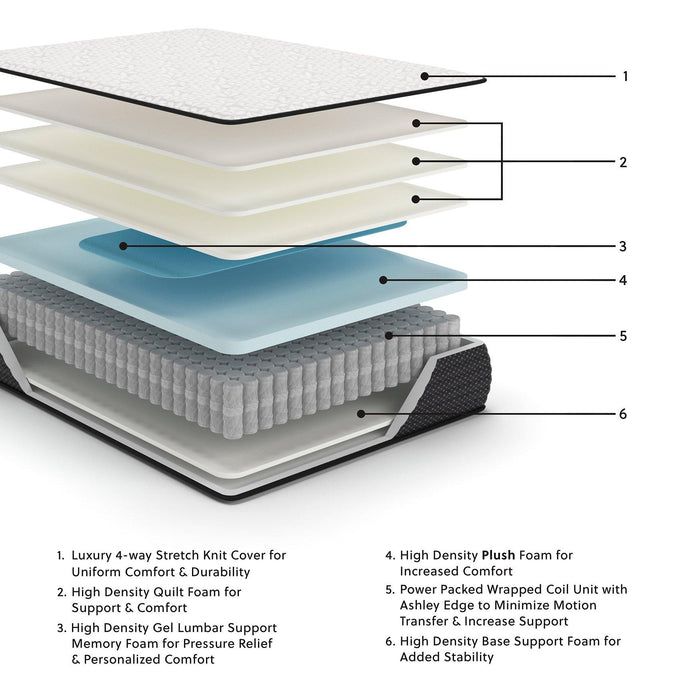
Individually pocketed coils instead of basic open or interconnected coils. Pocketed coils flex independently, providing better targeted support and reducing motion transfer. Research on coil spring fatigue suggests queen-size beds need at least 375 coils, and king-size beds roughly 450, to maintain long-term support.
-
Zoned support systems with firmer coils or foam under the lower back and hips. This is especially valuable for people with chronic back pain or heavier body weight, as the lumbar area bears the most stress.
-
High-density foam in the base layer. Support core foam should be at least 1.8–2.0 lb/ft³ for structural integrity. High-density foams improve mattress longevity and support, keeping the mattress from bottoming out over time.
-
Reinforced center zones to prevent the midsection from sagging, which is the most common failure point in any mattress.
Matching Firmness to Your Sleep Position
A mattress's firmness is rated on a scale from 1 to 10, with 1 being extremely soft and 10 being rock-hard. No single firmness level works for everyone. Here's a general guide:
-
Side sleepers typically need softer to medium firmness (around 4–6) so shoulders and hips can sink enough for alignment.
-
Back and stomach sleepers generally do best on medium-firm to firm surfaces (roughly 6–8) that prevent the pelvis from dropping.
-
Combination sleepers benefit from a responsive surface around 5–7 that adapts as they shift positions.
-
Heavier sleepers (200 lb+) often need to go a step firmer than usual, plus stronger coils and denser base foams, to get the same level of support.
If you frequently wake up with shoulder pain or lower-back aches, the support layer is the first place to invest, not the cover fabric or pillow top.
Benefit #2: Pressure Relief and Comfort That Matches Your Sleep Position
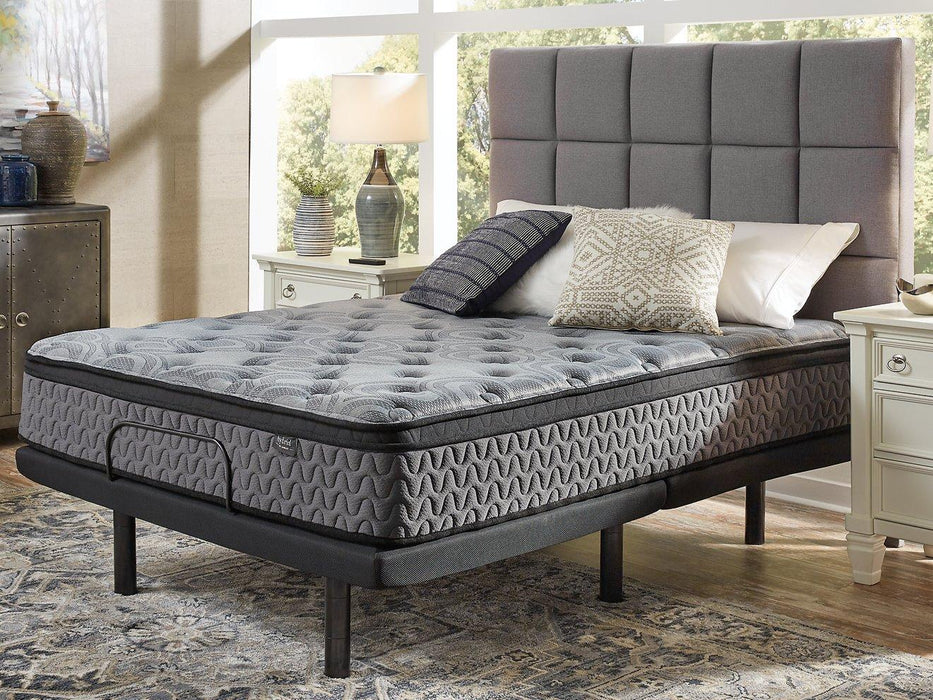
A comfortable mattress balances firm support underneath with enough cushioning on top to ease pressure points at your shoulders, hips, and knees. Without adequate pressure relief, you get numbness, tingling, and the urge to toss and turn all night, none of which contribute to better sleep.
Pressure Needs by Sleep Style
Your sleep position determines where pressure concentrates:
-
A side sleeper bears most of the weight on the shoulder and hip. Without thick foam comfort layers or responsive latex, these areas get compressed, leading to pain and interrupted sleep. Plush soft comfort layers that contour around joints are essential here.
-
A stomach sleeper needs a thinner comfort layer and a firmer surface. Too much cushioning allows the pelvis to sink, pulling the lower back into hyperextension.
-
Back and stomach sleepers need a balance: enough surface give to avoid pressing into the shoulder blades and tailbone, but firm enough underneath to prevent midsection collapse.
-
Combination sleepers move between positions throughout the night. They benefit from responsive materials like latex or hybrid constructions that don't trap them in a body impression when they roll over.
Comfort Materials Compared
Foam mattresses include memory foam, latex, and polyurethane foam, and each distributes weight differently:
-
Memory foam conforms deeply and slowly to your body's shape, providing excellent pressure point relief. A memory foam bed excels at cradling shoulders and hips for side sleepers. The trade-off: slow-responding memory foam can make position changes harder, and some memory foam mattresses retain heat. Other memory foam mattresses address this with gel infusions or open-cell structures. The average foam mattress is about 11 inches thick, with 2–4 inches typically dedicated to the comfort layer.
-
Latex (natural or synthetic) is faster to respond, bouncier, and generally cooler. Latex mattresses are made from the liquid of rubber trees, and natural latex tends to be durable and breathable. Dunlop latex is denser and firmer; Talalay latex is softer and more aerated.
-
Quilted Euro-tops provide an immediate plush soft feel and ample cushioning on the surface. However, if the quilting sits on a weak support core, it compresses quickly, sometimes within a year, leading to sagging and reduced comfort.
How Firmness Labels Actually Feel
Mattresses are rated on a scale from 1 to 10, but labels like "plush," "medium," and "firm" vary between manufacturers. Here's a practical breakdown by body weight:
|
Firmness Rating |
Label |
Best For |
|---|---|---|
|
3–5 |
Soft to medium-soft |
Lighter side sleepers (under ~130 lb) |
|
6 |
Medium firm |
Most side and back sleepers (130–230 lb) |
|
7–9 |
Firm to extra-firm |
Stomach sleepers, heavier sleepers (230 lb+) |
Soft mattresses (3–5) are best for lighter side sleepers who need more contouring. Medium-firm mattresses (6) suit most side and back sleepers. Firm mattresses (7–9) are ideal for stomach sleepers and heavier individuals who need the surface to resist deep sinkage.
A practical test: lie in your usual sleep position for 15–20 minutes and notice whether you feel numbness or tingling at your shoulders or hips. If you do, the surface is likely too firm for your build and position.
Benefit #3: Cooling Features for Hot Sleepers
If you regularly wake up sweaty or kick off the covers in the middle of the night, a genuine cooling mattress is worth extra money. But here's the catch: many "cooling" buzzwords in the mattress world are marketing fluff. A thin "cool-to-the-touch" fabric on the cover does almost nothing if the foam layers underneath trap body heat like an oven.
What Actually Cools You Down
The best cooling mattress designs stack multiple cooling mechanisms together. No single feature does the job alone. Here's what matters:
-
Open-cell foam has more voids and cell openings that allow air to circulate through the material. Open-cell foam mattresses allow for increased airflow and cooling, making them significantly better than dense, closed-cell alternatives.
-
Gel-infused foams contain gel beads or swirls that improve thermal conductivity. Gel memory foam absorbs body heat for cooler sleep, and testing data suggests it can reduce surface temperature by roughly 1–3°F compared to standard foam, most noticeable in the first 20–30 minutes.
-
Phase-change materials (PCM) absorb heat as they shift from solid to liquid at a target temperature, buffering temperature spikes. These are found in some covers and comfort layers.
-
Coil systems in hybrids and innerspring beds create natural airflow channels. Air moves freely between coils, carrying heat and moisture away from the sleeping surface. This is why hybrid mattresses and innerspring mattresses tend to sleep cooler than all-foam mattresses.
-
Breathable cover fabrics made from organic cotton, a breathable tencel cover, or moisture-wicking fibers help on the surface level. Breathable covers help wick moisture and minimize heat buildup. Polyester-heavy covers, by contrast, trap heat.
Cooling memory foam helps reduce heat retention during sleep, but it works best when combined with airflow from coils and a breathable cover. Breathable materials in mattresses help dissipate heat for better temperature regulation, but the effect is cumulative-no single layer is a magic solution.
Cooling Performance by Mattress Type
Here's how different mattress styles compare for temperature regulation:
-
Basic all-foam (no cooling features): Heat buildup starts quickly, trapped body heat has nowhere to go, and poor airflow. Hot sleepers will likely struggle.
-
Gel-infused foam (no coils): Initial cool sensation for 20–30 minutes, then performance converges toward standard foam. Mild improvement.
-
Hybrid with coils + gel or PCM foam + breathable cover: Maintains a measurably cooler sleeping surface throughout the night. Airflow through the coil layer continuously vents heat. This is typically the best cooling mattress construction for people who consistently sleep hot.
-
Innerspring with breathable cover: Moderate cooling thanks to coil airflow, but less contouring comfort. Good for people who don't need thick foam comfort layers.
When Paying for Advanced Cooling Is Worth It
Invest in cooling materials if any of these apply:
-
You experience night sweats or hot flashes regularly
-
Your bedroom temperature frequently exceeds 75°F, or the humidity is high
-
You share a bed with a partner who radiates heat
-
You're currently on a dense memory foam bed that sleeps too warm
-
You've already tried lighter bedding and cooler pajamas without improvement
If you only feel a little warm occasionally, improving room conditions (fan, lighter deep pocket sheets, a breathable mattress protector) may be enough without paying for the most advanced cooling mattress technology.
Benefit #4: Motion Isolation and Edge Support for Couples
If you share a bed, two features jump to the top of the priority list: motion isolation and edge support. Both often justify spending more than the bare-minimum models, because they directly affect whether one partner's movement wakes the other, and whether you both have enough room to sleep comfortably.
Motion Isolation: Why It Matters
Good motion isolation helps prevent sleep disturbances for couples. When one partner rolls over, gets up for the bathroom, or comes to bed later, a mattress with strong motion isolation absorbs that movement before it travels across the surface.
Foam mattresses generally provide better motion isolation than innerspring models because foam absorbs vibrations rather than transmitting them through connected springs. Pocket coils provide better motion isolation than traditional springs because each coil moves independently inside its own fabric sleeve.
In third-party testing, several models stand out:
-
The Helix Midnight Luxe scored 8.5 for motion isolation
-
The Nectar Classic excels at motion isolation, minimizing partner disturbance
-
The Brooklyn Bedding Aurora Luxe scored 8 out of 10 for motion isolation
These scores reflect how well the mattress dampens movement from one side to the other, useful data points when comparing options.
Edge Support: More Usable Space
Good edge support improves usability on the side of the bed and helps with mobility. Without strong edge support, the perimeter compresses when you sit or lie near it, making you feel like you're about to roll off. This effectively shrinks your usable sleeping surface by several inches on each side-a real problem for couples on a queen-size mattress.
Look for these edge support features:
-
Foam rails running along the perimeter of the mattress
-
Reinforced perimeter coils that are firmer or thicker than center coils
-
High-density foam encasement around the coil unit
The best hybrid mattress designs for couples typically combine individually wrapped coils for motion isolation, higher-density foams for absorption, and reinforced edges for full-surface usability. These features cost more than a basic foam slab or entry-level innerspring, but for two people sharing a bed nightly, they're worth it.
Quick In-Store Test for Couples
If you're shopping together, try this:
-
One person lies in their usual sleep position in the center
-
The other person sits on the edge-does it collapse or hold firm?
-
One person rolls over or shifts weight while the other holds still-how much motion transfers?
-
Both lie near opposite edges-does either person feel like they're sliding toward the center or off the side?
If the edge collapses noticeably or you can feel every movement your partner makes, look for a model with stronger construction in both areas.
Benefit #5: Durability and Warranty (Paying for Years, Not Months)
A mattress that holds up for 8–10 years with consistent support is almost always a smarter investment than a cheaper one that sags after 3–4 years. Most mattresses last about 6 to 7 years on average, but that number swings dramatically based on material quality, construction, and how much weight the mattress bears nightly.
What Drives Durability
Investing in a high-quality mattress can be a long-term health investment, and the materials inside are what determine whether it pays off. Here's what to look for:
-
Foam density. For comfort layers, memory foam above 4 lb/ft³ holds up well over years. For base/support foam, aim for 1.8 lb/ft³ or higher. High-density foams and durable coils improve mattress longevity. Low-density foams (under 3 lb/ft³ for memory foam, under 1.5 lb/ft³ for base foam) break down faster, leading to body impressions and sag.
-
Coil gauge and quality. Thicker gauge wire (lower gauge number) resists deformation longer. Pocketed coils distribute load more evenly than open coils, reducing point fatigue.
-
Cover and quilting. Thin quilting pads compress first, stitching can tear, and covers degrade with friction and moisture. A well-made cover with quality stitching and a mattress protector extends the mattress's usable life.
-
Edge reinforcement. Without it, edges collapse early, shrinking the usable surface and making the mattress feel older than it is.
Hypoallergenic materials in mattresses help reduce allergens and improve hygiene, which also contributes to the mattress maintaining a healthier sleeping environment over its lifespan.
Lifespan by Mattress Type
|
Type |
Typical Lifespan |
Notes |
|---|---|---|
|
Innerspring |
5–7 years |
Coil fatigue, comfort layer compression |
|
All-foam (memory foam) |
8–10 years |
Depends heavily on foam density |
|
Hybrid |
7–10 years |
Combines coil + foam longevity |
|
Latex |
12–15+ years |
Natural latex is especially durable |
Usage matters too. A main bed used every night by two adults degrades faster than a guest room bed used a few times a year.
Quality mattresses can last 7 to 10 years. Expensive mattresses often provide more refined and durable materials than cheaper options, but the correlation isn't always linear-some mid-priced beds with excellent specs outlast pricier ones with mediocre foam densities.
The Cost-Per-Year Math
A mattress that lasts longer can cost less per year than frequently replaced, cheaper mattresses. Here's a simple comparison:
-
$600 mattress lasting 4 years = $150 per year
-
$1,400 mattress lasting 9–10 years = ~$140–155 per year
-
$2,500 mattress lasting 12–15 years = ~$165–210 per year (though often with superior comfort throughout)
The mid-range option often wins on cost-per-year while still delivering strong comfort and support. Luxury mattresses often use premium materials for greater durability, but you need to do the math for your situation.
Warranty: Read the Fine Print
Mattresses are tested for durability using a 300-pound roller, and durability tests simulate 8 to 10 years of use. But warranty coverage doesn't always match real-world expectations. Watch for:
-
Minimum sag depth covered. Some warranties only kick in at 1.5 inches of sag, by which point you've been sleeping poorly for months.
-
Prorated vs. non-prorated. Non-prorated warranties cover full replacement; prorated means you pay an increasing share as the mattress ages.
-
Exclusions. Some warranties exclude comfort layer compression or cover damage, covering only the coil core.
-
Conditions. Many require proof of a proper foundation, use of a mattress protector, and periodic rotation.
Buy from companies that clearly disclose foam densities, coil specifications, and warranty terms. Transparency is a sign of accountability.
Benefit #6: Tailored Feel for Specific Needs (Back Pain, Weight, and Sleep Style)
Some sleepers get outsized value from premium features because their bodies, conditions, or habits demand more from a mattress than the average person's. A mattress that suits your body type can improve sleep quality dramatically, and investing in a quality mattress can reduce chronic pain when the construction is matched to specific needs.
For Back Pain
A medium-firm mattress is often recommended for back pain relief. Sleep experts and clinical research consistently point to medium firm surfaces as the sweet spot: enough cushioning to relieve pressure points, enough firmness to prevent lumbar collapse.
Features worth paying for if you have back pain:
-
Zoned lumbar support (firmer under lower back)
-
Pocketed coil core with reinforced center
-
Quality foam comfort layers (not just thick quilting) for back pain relief
-
A surface that holds alignment in your dominant sleep position
Any certified sleep science coach will tell you that there's no universally "best mattress for back pain"-it depends on your weight, position, and specific condition. Sleepers with diagnosed conditions like sciatica, herniated discs, or spinal fusion should consult a healthcare professional before choosing a firmness level.
For Heavier Sleepers
If you're over 200–230 lb, standard-construction mattresses often sag prematurely and fail to provide adequate support. Look for:
-
Thicker gauge coils (14 gauge or lower) with higher coil counts
-
Base foam density of 2.0 lb/ft³ or higher
-
Reinforced center zones and strong edge support
-
Comfort layers with enough depth for pressure relief, but not so thick that you sink past the support layer
An extremely supportive core is essential here. Without it, alignment degrades faster, and the mattress's lifespan shortens significantly.
For Strict Stomach Sleepers
A stomach sleeper needs the firmest surface in the lineup. When the pelvis sinks into a plush surface, the lower back hyperextends, creating strain and shoulder pain over time. Firm mattresses with thinner comfort layers and strong coil or foam cores keep the torso flat and reduce lower-back stress. The priority for back and stomach sleepers is always keeping the midsection from dropping.
For Combination Sleepers
Combination sleepers shift from back to side to stomach throughout the night. Responsive materials-latex, hybrid coil-and-foam constructions-allow quick position changes without feeling stuck. Slow-responding memory foam can trap you in a body impression, making it harder to roll over. Look for a responsive comfort layer that adapts within seconds.
Where You Can Safely Save: Features That Are Often Not Worth Extra
Not every upgrade is a real upgrade. Some features are mostly cosmetic or marketing-driven and won't improve your sleep enough to justify the price bump. Before you pay extra for anything, ask yourself whether it solves a real problem you actually have.
Features That Rarely Justify the Premium
-
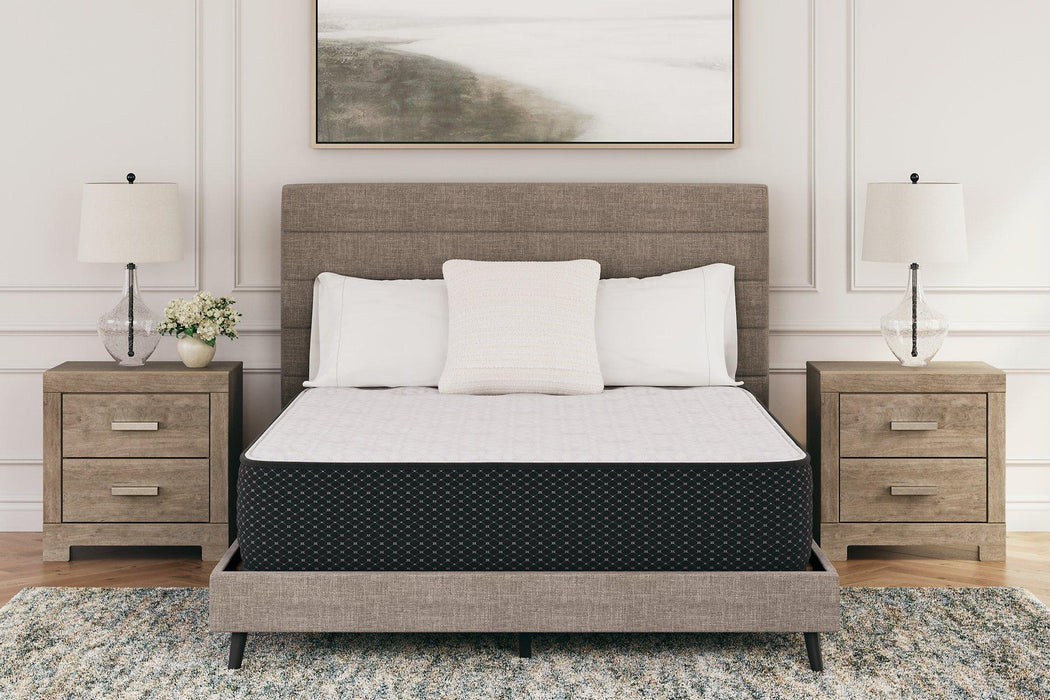
Very tall profiles (14–16 inches). Height often comes from extra quilting or low-density foam filler, not from better support. Unless the support core itself is thicker and denser, a taller mattress won't sleep better than a well-constructed 11-inch model. You may also need special deep-pocket sheets to fit, adding cost.
-
Elaborate quilting and stitching patterns. These look impressive in the showroom but compress quickly. Fancy quilting without a strong core underneath is a cosmetic feature, not a comfort feature.
-
Smart bed features. Built-in sleep tracking, app connectivity, and speakers sound exciting. Unless these solve a specific ongoing problem (like monitoring sleep apnea), most people stop using them within weeks. The bear elite hybrid and similar models offer integrated tech, but weigh whether you'll actually use it before paying the premium.
-
Vague "luxury" labels. Terms like "hotel-grade" or "ultra-premium comfort" mean nothing without disclosed specs. If the listing doesn't tell you foam density, coil count, or coil gauge, the label is covering for missing information.
-
Ultra-soft pillow tops on weak cores. A plush pillow top on a low-quality innerspring or thin foam base feels great for the first few weeks. Then the pillow top compresses, the base can't compensate, and you're left with a saggy mattress and recurring back pain.
Some mattress styles marketed as the best luxury mattress in the world are genuinely exceptional. Others just have beautiful covers and premium-sounding names. The difference is always in the specs.
Before You Pay Extra, Ask Yourself
-
Will this feature reduce my pain or improve my sleep position?
-
Will I use this regularly, not just the first week?
-
Are the material specs (foam density, coil gauge, cooling mechanism) clearly disclosed?
-
Does this solve a real problem I have now, or am I buying it because it sounds impressive?
If the answer to most of these is "no," redirect that budget toward core quality: better coils, denser foams, and proven cooling materials.
How Much Should You Spend? Matching Budget to Value
The right amount of spending depends on the size of your mattress, how often it's used, and how severe your current sleep problems are. There's no magic number, but there are clear value tiers.
2026 Price Bands for Queen-Size Mattresses
Entry-level ($500–$800): Basic coil innerspring or low-to-mid-tier foam hybrid. Support core is functional, but comfort layers are thin, cooling is minimal, and zoning is rare. Likely lifespan: 5–7 years. Suitable for a guest room, a temporary setup, or lighter sleepers without specific issues.
Mid-range ($900–$1,800): This is where most people find the best value mattress. Mid-range mattresses offer meaningful upgrades in comfort and durability: pocketed coils, medium-to-high density foams or latex comfort layers, decent cooling (gel-infused foams, open-cell foam, breathable covers), modest edge support, and some zoning. Expected lifespan: 7–10 years. Look for holiday sales and online discounts to stretch this range further.
Premium/luxury ($2,000–$4,000+): Advanced premium materials: natural latex, advanced PCM, thick zoning, reinforced edges, high coil counts, organic cotton or Tencel covers. Longer warranties (10–25 years). Expected lifespan: 10–15+ years with well-maintained use. Worth considering for chronic pain, specific temperature regulation needs, or couples with very different body sizes. Some retailers offer free white-glove delivery at this level, reducing setup hassle.
When Spending More Makes Sense
-
Chronic back pain or joint issues that could improve with better alignment and zoning
-
You consistently sleep hot and need genuine cooling materials, not just marketing claims
-
Couples with a big weight disparity or very different firmness preferences
-
You plan to keep the mattress as your primary bed for close to a decade
When You Can Spend Less
-
Guest rooms and kids' beds are used infrequently
-
Temporary living situations where you'll move within a few years
-
Sleepers with no specific complaints who just need a solid, clean surface
-
Adding a mattress topper to extend the life of an otherwise decent mattress-sometimes a quality topper costs $100–$300 and buys you another year or two before replacing the full bed
Trying and Testing: How to Tell if a Mattress Is Worth It for You
No amount of online research replaces actually lying on a mattress or sleeping on it for a week. Personal testing is the final filter between a "good on paper" mattress and one that actually helps you sleep comfortably.
In-Store Testing Tips
Mattresses should be tested for at least 10 minutes in-store, ideally 15. Here's what to do during that time:
-
Lie in your usual sleep position. If you're a side sleeper, lie on your side. If you're a combination sleeper, roll through your typical positions.
-
Check lower-back contact: can you slide your hand between your lower back and the mattress? If there's a big gap, the mattress is too firm for you. If your hips sink deeply and your spine curves downward, it's too soft.
-
Sit on the edge. Does it hold, or do you feel like you're sliding off? Weak edge support signals a mattress that will feel smaller over time.
-
If shopping as a couple, have one person move while the other holds still. Notice how much vibration you feel.
At-Home Trial Considerations
Most online mattress sellers offer 90–120-night home trials. Here's how to use them wisely:
-
Give it at least 2 weeks. Your body needs time to adjust, especially coming from a very different firmness level on your previous mattress.
-
Keep a short sleep log. Each morning, note: morning back pain (better, same, worse?), temperature (too warm, fine?), partner disturbance, and overall restfulness. This prevents you from making a decision based on a single bad night.
-
Pay attention to heat buildup. If you're testing a memory foam bed and waking up sweaty after the second week, the cooling system isn't sufficient for you.
-
Before buying, check return policies. Are there pickup or restocking fees? Is the trial truly free, or are there hidden costs? These affect the real cost of "trying" a mattress.
If pain or discomfort persists beyond 3–4 weeks of adjustment, return or exchange. "Worth it" means improved sleep, not just a new purchase sitting in your bedroom.
Why it matters: A side sleeper puts intense pressure on the shoulder and hip. Contouring foam or latex comfort layers distribute that weight, preventing numbness and pressure points. Zoned support underneath (softer at the shoulders, firmer at the hips) keeps alignment intact. Paying for quality comfort materials here directly reduces pain.
Scenario 3: Stomach Sleepers and Firm Support
A stomach sleeper lying flat with the spine visibly straight, no sinkage at the hips or midsection. The mattress surface is firm and even.
Why it matters: A stomach sleeper needs a firmer surface to prevent hip sinkage and resulting lower-back strain. Paying for a dense support core and thinner comfort layers isn't glamorous, but it's the difference between waking up pain-free and waking up stiff. A medium-firm to firm surface (7–9 on the firmness scale) is typically ideal.
Scenario 4: Mattress Construction Comparison
An educational cross-section showing three mattress types side by side: an innerspring with visible coils, a hybrid with coils and foam layers, and an all-foam model with multiple foam layers.
Why it matters: Each construction type has strengths. Innerspring mattresses offer excellent airflow and firm support. Hybrid mattresses add contouring foam on top of coils for a balance of cooling, support, and pressure relief. All foam mattresses maximize motion isolation and contouring, but may trap more body heat. Choosing the right construction for your priorities is one of the most cost-effective decisions you can make.
Scenario 5: Old vs. New - Durability in Action
An old mattress with a visible dip in the center next to a new mattress with an even, well-supported surface and reinforced center zone.
Why it matters: A visibly sagging mattress doesn't just look bad-it forces your spine out of alignment every night. Paying for higher-density foams, thicker coils, and reinforced center zones means the mattress holds its shape for years, not months. The best mattress is one that still feels supportive on year seven, not just on night one.
FAQ
Below are answers to common follow-up questions about what mattress benefits are worth paying for, covering topics not fully addressed above.
How often should I replace my mattress if I want to maintain the benefits I paid for?
Quality mattresses can last 7 to 10 years, but several factors shorten or extend that range. Heavy body weight, daily use by two adults, and low-density materials accelerate wear. Latex mattresses can last 12–15 years or more with proper care.
Signs it's time to replace:
-
Visible sagging or body impressions deeper than 1 inch
-
New or worsening back pain that wasn't present before
-
Noticeably better sleep in hotel beds or a guest room compared to your own bed
-
Edge collapse or audible squeaking from the coil system
Rotating the mattress head-to-foot a few times per year and using a mattress protector can extend its usable life by reducing moisture damage and evening out wear.
Is a luxury mattress always better than a mid-range mattress?
Not necessarily. A luxury mattress price tag often reflects premium materials-natural latex, advanced PCM, handcrafted covers-but not every sleeper will feel a proportional benefit. If your main issue is back pain and you weigh 160 lb, a well-built mid-range hybrid with zoned coils and quality foam will likely serve you just as well as a $4,000 luxury model.
Many people find the best balance of value and performance in mid-range hybrid mattresses and innerspring mattresses with upgraded foams. Prioritize features that solve your specific problems (cooling, pain relief, motion isolation) over chasing the highest price category. The best value mattress is the one that addresses your needs without paying for features you won't notice.
What mattress type is usually best for back pain relief?
A medium-firm mattress is often recommended for back pain relief. Studies and expert clinical guidance consistently show that medium firm surfaces, around a 6 on the 1–10 firmness scale, balance support and cushioning best for most back pain sufferers.
Hybrid mattresses with zoned coils and quality foam comfort layers often provide a strong mix of lift under the lumbar and contouring at pressure points for spinal alignment. A high-quality mattress with these features will outperform a generic soft mattress or overly firm mattresses for pain relief.
If you have persistent or severe back pain, consult a healthcare professional for tailored firmness and support recommendations specific to your condition.
Do I really need a cooling mattress if I sleep a little warm?
There's a difference between occasional mild warmth and consistently waking up sweaty. If you only feel warm on particularly hot nights, improving your bedding (lighter sheets, a breathable mattress protector, a fan) and room environment may be enough. You don't necessarily need the most advanced cooling mattress if your sleep temperature issues are minor.
However, if you regularly kick off covers, sleep hot most nights, or experience night sweats, paying for real cooling features-coil-based airflow, gel-infused foams, open-cell foam, and a breathable cover-is worthwhile. Hot sleepers who sleep on dense foam mattresses without ventilation often see the biggest improvement from switching to a hybrid with genuine temperature regulation features.
Remember that room temperature, bedding material, and even pajama fabric all influence how warm you feel. Adjust those first, and if problems persist, invest in cooling materials built into the mattress itself.
Is an adjustable base worth the extra cost for most people?
Adjustable bases can be genuinely helpful for people with snoring, acid reflux, circulation difficulties, or back pain that improves when the head or feet are elevated. If you deal with any of these regularly, the ability to raise and lower sections of the bed may improve your nightly comfort significantly.
However, if you usually sleep flat and don't have those issues, an adjustable base is more of a luxury than a necessity. Adjustable air mattresses allow firmness adjustment via air chambers, which is a separate consideration from the adjustability of the base itself.
View the base as a separate investment decision from the mattress. Prioritize the mattress first for core comfort, and support-that's where the biggest impact on sleep quality comes from. Once you've secured the right mattress, then evaluate whether a base upgrade addresses a real, ongoing need.
Buy Mattress Collection at Aumand's Furniture
Upgrade your sleep with the Mattress Collection at Aumand's Furniture, where comfort, quality, and value come together. Whether you're searching for a plush, firm, or hybrid mattress, you'll find options designed to provide the support you need for a restful night's sleep and energized mornings.
Visit Aumand's Furniture today to browse our Mattress Collection and discover the perfect mattress for your home. Our friendly team is ready to help you compare styles and comfort levels, making it easy to choose a mattress that fits both your lifestyle and your budget.