
When Should You Replace Outdoor Furniture?

Knowing when outdoor furniture should be replaced can save you from safety hazards, wasted money on repairs, and the frustration of seating that looks tired. There are several factors, such as material, climate, and maintenance, that influence how long your outdoor furniture will last and when it should be replaced. Whether you have a small balcony setup or a sprawling patio, understanding the signs it's time to replace your furniture and knowing the typical timelines helps you plan ahead rather than scramble after something breaks.
Quick Answer: How Often Should You Replace Outdoor Furniture?
Most outdoor furniture needs partial replacement, cushions, fabrics, and hardware, every 3 to 5 years, while full frame replacement typically happens every 7 to 15 years or longer, depending on the underlying material, climate exposure, and maintenance habits. Regular maintenance, including cleaning to remove dirt, using protective covers, and storing cushions indoors during wet weather, can significantly extend the lifespan of your outdoor furniture.
Here’s how common materials stack up:
-
Plastic and budget resin: 2–5 years. Plastic and PVC furniture are shiny, brittle, fade quickly, and are not recommended for outdoor use due to their vulnerability to cracking and fading.
-
Natural wicker and rattan: 3–7 years. Natural wicker furniture is not suitable for outdoor use as it cannot handle the elements and will show damage quickly, especially in harsh climates.
-
Softwoods (pine, fir): 5–10 years.
-
Steel and wrought iron: 7–12 years. Applying a sealant or rust protector annually can help maintain metal furniture.
-
Aluminum frames: 10–15+ years. Aluminum furniture is lightweight, durable, rust-resistant, and typically lasts 10 to 15 years with minimal maintenance.
-
Hardwoods (teak, acacia, ipe): 15–25+ years. Teak and other hardwoods can last 20 years or more due to their natural oils that resist water, pests, and warping.
-
High-density polyethylene (HDPE): 15–25+ years. HDPE is one of the sturdiest options for outdoor furniture, resistant to extreme temperatures, waterproof, and requires minimal cleaning. However, extreme temperatures can still warp or crack HDPE lumber.
Synthetic wicker or resin rattan is popular for its attractive look and relatively low maintenance, with a lifespan of 5 to 10 years depending on quality and exposure.
Using specialized covers for outdoor furniture can significantly slow down UV and moisture damage. Storing outdoor cushions indoors during the off-season can prevent mildew. Regularly inspecting your furniture for signs of wear and addressing issues early can delay the need for replacement. If the cost of repairing outdoor furniture exceeds 50% of its replacement value, it is likely time for a new one.
If you notice wobbling, cracked frames, rust in load-bearing parts, severe rot, or mildew mold on cushions, replace your outdoor furniture immediately, regardless of age. These aren’t cosmetic issues; they’re safety concerns.
Cushions and fabrics usually wear out faster than metal frames or wooden furniture, often needing replacement every 2 to 4 seasons in sunny or coastal climates. Cushions generally need replacing every 3 to 7 years, while premium fabrics can last 5–7 years with resistance to fading and water. The sections below explain each factor in detail so you can assess your current furniture accurately.
7 Clear Signs It’s Time to Replace Your Outdoor Furniture
Recognizing the signs that it's time to replace your outdoor furniture is crucial for safety and comfort. Visible wear and functional problems matter more than how old your furniture is. Signs that outdoor furniture needs replacement include structural instability, material degradation, and persistent hygiene issues. A well-maintained teak set from 2010 can outlast a neglected aluminum set from 2020. Watch for these key signs that signal it’s time to replace.
1. Unstable or wobbly frames. When a chair or table flexes noticeably under weight, the structural integrity is compromised. An aluminum dining chair bought in 2014 with corroded welds around the joints is a clear sign of structural weakness; this is a safety hazard, not a minor annoyance. Replace now.
2. Advanced rust or corrosion. Light surface rust on metal furniture can often be sanded and repainted. But when rust has eaten through the material or created pinholes in load-bearing areas, the piece is unsafe. A steel bistro set from 2016, showing deep pitting where chair legs meet wet stone pavers, needs replacement.
3. Wood rot, cracking, and splintering. Deep fissures over 5mm, soft punky areas, or visible damage from fungal growth signal structural damage. A cedar bench from 2016 that sags mid-sit has passed the point of repair. Surface graying on hardwoods is cosmetic; rot and crumbling are not.
4. Persistent mold or mildew on cushions or slings. If cleaning doesn’t eliminate mildew, mold, and musty odors persist, the foam has absorbed moisture deep within. Mold on outdoor furniture poses a health risk and indicates that replacement is necessary to maintain a clean environment. Worn-out cushions with embedded mold should be discarded immediately.
5. Sagging, flattened, or torn cushions. Polyurethane foam loses about 50% of its resiliency after 3 years. When cushions no longer spring back or show tears exposing the filler, new cushions are needed to maintain comfort and hygiene.
6. Peeling paint or protective coatings exposing bare material. Powder coating that bubbles and peels lets moisture reach the underlying material, accelerating rust on metal furniture and rot on wood. Chipped paint is often the first sign that outdoor furniture is nearing the end of its life. This is a clear sign that water damage is progressing.
7. Badly outdated design that no longer fits your space. While aesthetics alone don’t demand immediate replacement, if your outdoor seating no longer serves how you use your outdoor area, perhaps you need more chairs for a growing family; it may be time to replace with pieces matching your current style and needs.

Safety and hygiene signs like instability, mold, and structural cracks mean replace now. Cosmetic issues like fading or minor peeling paint give you time to plan a refresh or replacement.
How Long Different Outdoor Furniture Materials Typically Last
Even under identical weather conditions, materials age very differently. Understanding how your existing furniture is likely to fail helps you know when wear and tear crosses the line into serious issue territory.
Plastic and Budget Resin Furniture
Low-cost plastic chairs and side tables typically last 2 to 5 years outdoors, especially with year-round sun exposure. UV rays cause photodegradation, the material becomes chalky, fades significantly, and develops hairline cracks in legs or arms.
A white plastic bistro chair purchased for a 2023 summer party and left uncovered through winter may show visible warping and brittleness by spring 2026. Any cracks in load-bearing areas or bending when someone sits mean replacement is safer than continued use. Treat these as temporary outdoor pieces rather than long-term investments.
Natural Wicker and Rattan
Natural wicker and rattan last 3 to 7 years outdoors, and significantly less without proper storage during wet months. Aging signs include unraveling strands, sagging seats, and soft, spongy areas when pressed.
A wicker armchair purchased in 2018 for a covered porch might still function in 2026. The same piece left in open rain would likely fail within 4 years. Once weaving breaks in multiple areas or the frame beneath feels unstable, replacement makes more sense than repair. These pieces do better on covered porches and should come inside during the off-season.
HDPE, Synthetic Wicker, and Other Engineered Materials
High-density polyethylene and quality resin wicker can last 10 to 20+ years, even with significant sun and rain exposure. This material requires minimal maintenance compared to natural alternatives.
Replacement cues include severe UV fading, cracked or broken strands, warped slats, or corroded hardware. A synthetic wicker sectional bought in 2015 might remain structurally sound in 2025, but need new cushions and minor reweaving where seats have cracked. Problems typically appear in fasteners and cushions before the frame fails.

Wood: Softwoods vs. Hardwoods
Softwoods like pine last 5 to 10 years with good care. Hardwoods like teak or ipe can serve 15 to 25+ years before structural replacement is needed. Teak, specifically, can last 20 to 75 years under optimal conditions, thanks to high natural oil content.
Warning signs for replacement: deep cracks that recur after sanding, soft punky areas from rot, loose joints that stay wobbly after tightening, and legs that darken or crumble where they meet damp decking. A pine picnic table bought in 2019 might show base rot by 2026 after repeated wetting. A teak lounger purchased in 2012 might only show cosmetic graying by 2026 if oiled annually.
Surface graying on hardwood is natural patina from oxidation, not a reason to replace. But structural decay or persistent rot is. When refinishing costs approach 50% of new furniture prices, and the piece is already compromised, replacement makes more financial sense.
Aluminum, Steel, and Wrought Iron
Aluminum typically lasts 10 to 15+ years, sometimes reaching 20 years for cast pieces. Steel and wrought iron last 7 to 12 years with proper protective coatings.
Age indicators include bubbling powder coating, rust spots at welds, thinning metal, wobble in key joints, and fasteners that no longer tighten. Light surface rust can often be addressed with sanding and repainting. Deep rust that has compromised joints or eaten through material means replacement.
A steel bistro set bought in 2016, showing severe pitting by 2026 on wet stone pavers, has reached the end of its safe service life. Sharp, jagged, rusted edges or substantial metal loss are clear “replace now” conditions.
How Climate and Location Change Replacement Timing
The same chair can last 5 years in a snowy coastal climate and 15 years in a mild dry one. Your outdoor space’s specific conditions dramatically affect how quickly furniture ages.
Intense sun and UV: UV rays embrittle plastics and fade fabrics at accelerated rates. A set exposed to high UV (index 8+) from 2022 may crack by 2025.
Heavy rain and humidity: Moisture causes rust on metal frames and rot in wood through capillary action and fungal growth, potentially halving softwood lifespan.
Freezing winters: Freeze-thaw cycles expand water in cracks by 9%, fracturing slats and joints over time.
Coastal salt air: Salt accelerates corrosion on steel at roughly 5x inland rates. An aluminum set bought in 2020 near a coastal boardwalk may need replacement by 2030, whereas the same set in a sheltered inland courtyard could last several more years.
Microclimates matter too: shaded balconies extend furniture life 30-50% compared to poolside patios via reduced UV exposure.
Climates demanding the most frequent replacement:
-
Coastal areas with salt air
-
Regions with high UV and humidity
-
Areas with harsh weather, including snow and freeze-thaw cycles
Repair, Refresh, or Replace? Making the Call
Not every worn piece needs immediate replacement. Sometimes a refresh extends life several more years; other times, repair makes sense. Here’s how to decide.
When a simple refresh is enough: If your frames remain structurally sound, deep cleaning, re-oiling wooden furniture (spring 2026 is a good time), and swapping only cushions or umbrella canopies can extend life 2 to 4 years. When refreshing or storing cushions, make sure they are completely dry and stored in a dry, ventilated area to prevent mildew and mold on both the fabric and cushion foam. This works when visible wear is cosmetic rather than structural.
When repair makes sense: Tightening loose hardware to proper torque, replacing slings on aluminum chairs, welding small cracks in steel frames, and adding new glides to level wobbling tables are worthwhile when frames retain good integrity. Minor peeling paint can be sanded and refinished.
When replacement is the better choice: Structural instability, advanced rust or rot, mold-infested foam, and repeated repairs that don’t hold beyond one season all point toward replacement. These are non-negotiables for safety.
Cost and Time: Is Repair Really Worth It?
Weigh repair costs against remaining expected life and new furniture prices. A useful rule: if repairs cost more than 50% of a comparable new item and the frame is already 10+ years old, lean toward replacement.
Spending $200 on new cushions for a frame with 5+ years of life remaining makes sense. Spending $200 on cushions for a frame showing structural damage doesn’t. Factor in time and hassle as hidden costs, repairs requiring specialized tools or multiple weekends may not be worth the effort when quality new furniture offers 15-year durability.
Benefits of Replacing Your Outdoor Furniture
Upgrading your outdoor furniture brings a host of benefits that go beyond just a fresh look. New outdoor furniture can instantly elevate the aesthetic appeal of your outdoor space, making it more inviting for family, friends, or customers. Swapping out old furniture for new pieces also improves safety by removing items that may have become unstable or hazardous over time. Modern outdoor furniture is designed with both comfort and durability in mind, often featuring weather-resistant materials like aluminum frames or high-density polyethylene (HDPE) that stand up to the elements and require minimal maintenance. By investing in new furniture, you reduce the need for constant repairs and enjoy a longer-lasting, stylish outdoor area. Prioritizing quality materials and thoughtful design ensures your space remains functional, comfortable, and visually appealing for years to come.
Outdoor Space Considerations: Matching Furniture to Your Setting
Choosing the right outdoor furniture means taking a close look at your unique outdoor space. Climate, terrain, and your existing decor all play a role in selecting the best materials and styles. For example, if your outdoor area is near the coast, rust-resistant options like wrought iron or aluminum frames are ideal for handling salty air and humidity. In wooded or garden settings, wooden furniture or resin wicker can blend beautifully with the natural surroundings. Think about how your new furniture will complement existing features, such as patios, decks, or landscaping, to create a cohesive look. By matching your furniture to your space and considering factors like weather exposure and style, you’ll create an outdoor area that feels harmonious, comfortable, and perfectly suited to your lifestyle.
Planning Your Next Replacement: What to Look For in New Outdoor Furniture
Once it’s time to replace, choosing wisely delays the next replacement cycle significantly.
Materials: Prioritize weather-resistant options like hardwoods (teak with Janka hardness 1000+), cast aluminum, and HDPE for 15 to 25+ year horizons. These materials deliver durability with minimal upkeep. Select furniture that complements your home decor and enhances the overall look of your space.
Construction quality: Look for rust-resistant stainless steel fasteners, solid welds, well-braced legs, and thick slats that don’t flex under weight.
Cushions and fabrics: Choose UV-resistant fabrics (solution-dyed acrylics), removable washable covers, and quick-dry foam. Expect to replace cushions at least once during the frame’s life, prioritize comfort while accepting this reality. Opt for cushion and fabric options that reflect your unique style and allow for customization to create a personalized outdoor environment.

Buying With a Replacement Timeline in Mind
Think in specific time horizons when selecting new patio furniture.
Budget balcony setup (3-5 year plan): A plastic or HDPE set in the $200-400 range works well for renters or those testing an outdoor area’s potential. Plan for replacement when you move or upgrade.
Family deck investment (10-15 year plan): Spending $1500+ on teak or aluminum dining furniture makes sense when you’re settled and want outdoor seating that grows with your family into the mid-2030s.
Align choices with known life events, kids growing up, moving house, or renovating the garden, so replacement timing feels intentional rather than forced.
Regular seasonal checks each spring, visual inspection for rust and cracks, sniff test for mold, tactile test for wobble, keep furniture replacement planned rather than an emergency after a breakage. When you replace your outdoor furniture at the right time, you improve safety, comfort, and the overall look of your outdoor space for years to come.
Style and Design: Updating Your Outdoor Look
Replacing your outdoor furniture is the perfect chance to refresh your patio or garden with a new sense of style. Whether you’re drawn to sleek, modern patio furniture or prefer the charm of classic pieces, updating your outdoor space can make a big impact. Consider the color palette and materials that will best complement your existing furniture and outdoor area. Adding new cushions or updated upholstery can breathe new life into your current setup, while investing in a matching set of new patio furniture creates a unified, stylish look. Don’t be afraid to experiment with bold colors or unique designs to express your personality. By focusing on style and design, you’ll transform your outdoor space into a welcoming retreat that’s both functional and fashionable.
Safety Considerations When Replacing Outdoor Furniture
When it’s time to replace your outdoor furniture, safety should be at the top of your checklist. Always inspect new pieces for sturdy construction, especially if they feature metal frames like aluminum or wrought iron, which offer excellent durability. Avoid furniture with visible wear, such as cracked frames or signs of structural weakness, as these can pose a risk to users. Make sure all joints are secure and that the furniture is properly assembled to prevent accidents. If your outdoor space sees heavy use or serves a commercial purpose, opt for furniture designed to handle higher weight capacities and frequent use. By prioritizing safety and choosing well-built, reliable furniture, you’ll create an outdoor area that’s both enjoyable and secure for everyone.
Environmental Impact: Sustainable Choices for Outdoor Furniture
As you replace your outdoor furniture, consider the environmental impact of your choices. Opting for sustainable materials like recycled plastic or responsibly sourced wood helps reduce your carbon footprint while still providing durability and style. Furniture made from high-density polyethylene (HDPE) is a great eco-friendly option, as it’s crafted from recyclable materials and requires minimal maintenance. Natural wicker is another sustainable choice, offering biodegradability and a classic look with minimal upkeep. Look for weather-resistant pieces that are built to last, reducing the need for frequent replacements and minimizing waste. By making thoughtful, sustainable decisions, you’ll create an outdoor space that’s not only beautiful and functional but also kind to the environment.
Shop Outdoor Furniture at Aumand's Furniture Today!
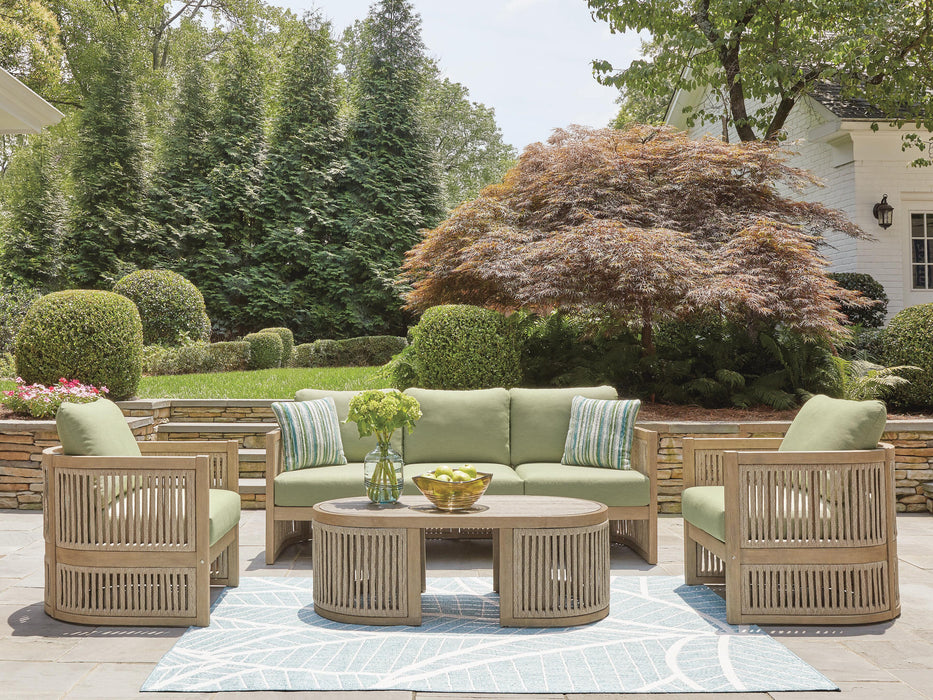
Upgrade your patio, deck, or backyard with outdoor furniture from Aumand's Furniture today and create a space that’s perfect for relaxing, dining, or spending time with family and friends. The right outdoor furniture can make your outdoor area more comfortable, more functional, and more enjoyable throughout the year. With a variety of styles and seating options available, it’s easier to design an outdoor space that fits your home and lifestyle.
Now is the perfect time to refresh your outdoor setup and make your space ready for everyday use or weekend gatherings. Shop outdoor furniture at Aumand's Furniture now and create an outdoor space where you can relax, entertain, and enjoy the comfort of home outside.