
What Dining Room Furniture Saves the Most Space?

When floor space is limited, finding furniture that pulls double duty becomes essential. The dining room is often one of the first casualties of a small apartment or compact home; tables get pushed into corners, chairs block walkways, and hosting guests feels like a logistical puzzle.
The good news? Specific furniture types consistently save the most space in a small dining room. Drop-leaf tables and wall-mounted tables lead the pack because they can shrink to nearly nothing when not in use. Close behind are round pedestal tables (which eliminate sharp corners and improve traffic flow) and storage benches that hide clutter while providing seating. Extendable dining tables and nesting chairs round out the essentials for anyone serious about maximizing space.
This article breaks down which furniture pieces work best for different room shapes, square, narrow, or open-plan, and for different household sizes, from singles to families. Whether you’re in a studio apartment, a small condo, or simply trying to reclaim your dining area for everyday meals, these practical recommendations will help you create a functional dining space without sacrificing style.

1. Drop-Leaf and Wall-Mounted Tables: The Top Space-Saving Champions
If you need to save space in the most dramatic way possible, a drop-leaf table or wall-mounted table should be at the top of your list. These space-saving tables can transform from a slim console or flat wall panel into a full dining surface, then disappear when you need the floor space back.
What Makes Drop-Leaf Tables So Effective
A drop-leaf table features sides that fold down when not in use. In its collapsed state, a drop leaf table might measure just 12–15 inches deep, narrow enough to function as a console table against a wall. When guests arrive, you simply lift the leaves and lock them in place to create seating for up to four people or more.
This flexibility makes a huge difference in tight spaces:
-
Weekday use: Serve as a narrow console, desk, or work surface
-
Weekend use: Expand into a full dining table for family meals
-
Breakfast bar alternative: Tuck into a small kitchen corner
Wall-Mounted Fold-Down Tables
For ultra-compact dining areas (think studios under 500 square feet), wall-mounted tables take space-saving to the extreme. These tables lock flat against the wall when not in use, occupying virtually zero floor space. When you need a surface, simply fold it down and lock it into position.
Wall-mounted tables work particularly well in:
-
Studio apartments where the dining area doubles as a living space
-
Narrow hallways or window nooks
-
Small kitchens that lack room for a permanent table
Placement and Pairing Tips
Mount wall-mounted tables at standard table height (around 29–30 inches) and position them where chairs or stools can be stored nearby. The real magic happens when you pair these tables with folding chairs or stackable stools that tuck away in a closet or hang on wall hooks.

2. Round and Oval Pedestal Tables: Best Shape for Flow and Flexible Seating
The shape dining table you choose affects more than just aesthetics; it directly impacts how much space you actually use. Round tables consistently save the most space in small square rooms because they eliminate sharp corners and improve movement around the dining area.
Why Round Tables Work in Tight Corners
A round shape creates natural flow. Without corners jutting into walkways, people can move more easily around the table. This makes all the difference in compact dining areas where every square inch counts.
Smaller round tables in the 36–42 inch diameter range comfortably seat up to four people while fitting into spaces that would feel cramped with a rectangular alternative. The absence of corner space also means you can push a round table closer to the walls without blocking traffic.
The Pedestal Base Advantage
The right dining table shape is only half the equation. The base matters just as much. Pedestal bases (a single central support rather than four legs) allow chairs to tuck more completely under the table, freeing up additional floor space when the table isn’t in use.
Four-legged bases force chairs to sit between the legs, which means they stick out further from the table edge. In a small dining room, this can block walkways and make the space feel cluttered.
Oval Tables: A Hybrid Option
Oval tables combine the softness of round tables with the extended surface space of rectangular ones. They work especially well in:
-
Long, narrow dining rooms
-
Galley kitchens with limited width
-
Spaces where you need more seating than a small round table provides
Consider light woods or glass tops to maintain visual openness and reduce the visual clutter that can make small rooms feel cramped.
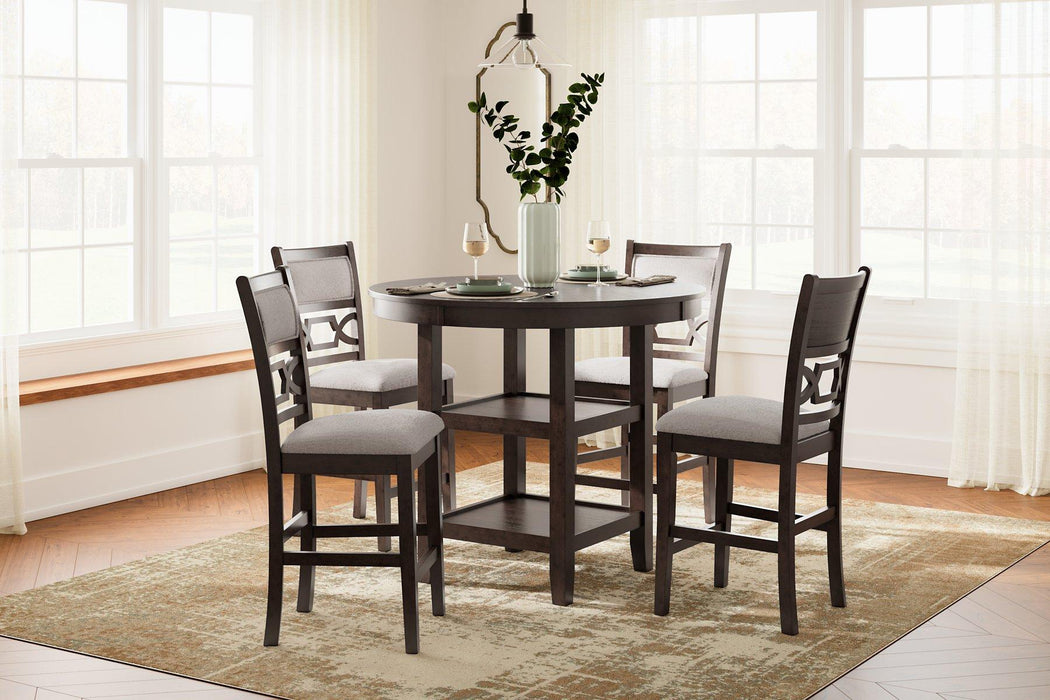
3. Compact Square and Rectangular Tables: Smart Picks for Specific Room Shapes
While round and drop-leaf tables often win the space-saving contest, compact square and slim rectangular tables can be the best dining table choice for certain layouts. The key is matching your table shape to your room’s specific configuration.
Small Square Tables for Square Rooms
A compact dining table in a square shape (around 30–36 inches per side) works beautifully for couples or small families with up to four people. Square tables offer several advantages:
-
Push one side against the wall to free up walkway space
-
Pull into the center for balanced seating during dinner parties
-
Pair with corner space arrangements in tight corners
The symmetry of square tables also creates a balanced dining setup that feels intentional rather than cramped.
Slim Rectangular Tables for Narrow Rooms
Standard dining tables run about 36 inches wide, but narrow rectangular tables (24–32 inches) fit into long, tight dining rooms where a standard table would overwhelm the space.
These slim profiles enable smart solution configurations:
|
Room Type |
Table Width |
Best Pairing |
|---|---|---|
|
Narrow galley kitchen |
24–28 inches |
Bench on the wall side, chairs opposite |
|
Long open-plan living/dining |
28–32 inches |
Slim armless chairs all around |
|
Small breakfast area |
24–30 inches |
Two chairs or stools |
Multi-Use Scenarios
Rectangular tables naturally double as desk surfaces or homework stations. During the day, a slim rectangular table serves as a work surface; at night, it transforms into the centerpiece of your dining experience. This maximizing functionality approach is essential for small apartments where rooms serve multiple purposes.
Consider extendable tables or gateleg designs if you occasionally need extra space for additional guests, but want to keep the everyday footprint minimal.

4. Bench and Banquette Seating: The Secret Weapon Under the Table
Seating choice can save almost as much space as your table selection. Bench seating and built-in banquettes are among the most space-efficient options, often outperforming traditional chairs in small rooms.
Straight Benches: Slide and Hide
A straight bench slides completely under the table when not in use, eliminating visual clutter and freeing up floor space for walking. Unlike chairs that stick out or need to be pushed in individually, a bench disappears beneath the table edge in one smooth motion.
Benefits of straight benches include:
-
More seating capacity in the same linear space as chairs
-
No chair backs create visual bulk
-
Easy to slide out and accommodate extra seating when needed
Corner Banquettes: Use Every Inch
L-shaped or corner banquettes transform otherwise wasted corner space into functional seating. This arrangement lets the table sit closer to the walls while still accommodating several people, maximizing space that would otherwise go unused.
Built-in banquettes also create a polished, intentional look that makes small dining areas feel designed rather than cramped.
Storage Benches: Hidden Storage Solutions
Storage benches with lift-up tops or drawers provide hidden storage for linens, placemats, and seasonal tableware. This built-in storage reduces the need for extra cabinets in small rooms, keeping everything accessible but out of sight.
Look for storage compartments with soft-close hinges to prevent lid-slamming and protect stored items. Some storage benches offer multiple compartments to separate different types of items.
Sizing Guidance
-
Bench length should roughly match the table edge it sits against
-
Bench height should match standard dining chair height (17–19 inches) for comfortable seating
-
Consider mixing one bench on one side with minimalist chairs on the other side to balance comfort and flexibility

5. Stackable, Folding, and Nesting Seating: Flexible Options for Extra Guests
Very small dining rooms need flexible seating that appears when needed and vanishes when it doesn’t. Stackable chairs, folding chairs, and nesting stools provide this critical extra seating without permanently occupying floor space.
Stackable Chairs
-
Pile in a corner, closet, or garage when not in use
-
Pull out for entertaining, then stack away after dinner
-
Choose slim profiles that stack tightly (5–6 chairs in a 2-foot column)
Folding Chairs and Stools
-
Hang on wall hooks or door-mounted racks
-
Slide under beds, sofas, or into narrow closet spaces
-
Ideal for studios or multipurpose living-dining rooms where every square inch matters
Nesting Sets
Nesting stools (small stools that tuck beneath slightly larger ones) offer dual functionality:
-
Provide more seating when guests arrive
-
Serve as extra surfaces for drinks or appetizers near the dining area
-
Store compactly as a single unit
Selection Tips
|
Feature |
Why It Matters |
|---|---|
|
Neutral finishes |
Blend with existing furniture |
|
Slim designs |
Minimize visual weight |
|
Lightweight frames |
Easy to move and store |
|
Durable materials |
Withstand repeated folding/stacking |
The goal is flexible seating that adds warmth and function without visually crowding the room. Choose extra chairs that complement your main dining setup in style and scale.
6. How to Choose the Best Space-Saving Dining Furniture for Your Room
The furniture that saves the most space ultimately depends on your room shape, household size, and whether your dining area doubles as an office or living room. Here’s a simple approach to finding furniture that fits your specific situation.
Step-by-Step Selection Process
-
Measure your room, including door swings, window locations, and fixed elements
-
Sketch your layout with rough dimensions forthe table and seating placement
-
Decide primary function (daily meals vs. occasional hosting vs. multipurpose room)
-
Select table type based on shape and flexibility needs
-
Choose seating that maximizes space when not in use
Quick Matching Guide
|
Room Type |
Best Table Choice |
Best Seating Choice |
|---|---|---|
|
Ultra-small studio |
Wall-mounted or drop-leaf |
Folding chairs, wall hooks |
|
Small square room |
Round pedestal (36–42 inch) |
Slim armless chairs |
|
Long narrow room |
Slim rectangular or oval |
Bench on one side, chairs opposite |
|
Open-plan living/dining |
Extendable dining tables |
Stackable or nesting chairs |
|
Kitchen island adjacent |
Counter height tables |
Backless stools that tuck under |
Visual Weight Matters
Beyond actual dimensions, perceived size affects how spacious your dining space feels. Reduce visual weight by choosing:
-
Light colors (light woods, white, pale neutrals)
-
Simple silhouettes without ornate details
-
Slim legs or open pedestal bases
-
Glass or pale wood tops that reflect natural light
These choices help small spaces feel open and airy rather than cramped, enhancing the aesthetic appeal while maintaining functionality.
The Bottom Line
Even the smallest dining area can comfortably host with the right combination of space-saving dining furniture. A drop-leaf table paired with a storage bench and a few stackable extra chairs creates a dining experience that works for everyday meals and expands gracefully when needed.
Start by measuring your space and being honest about how you actually use your dining area. The right dining table and seating combination isn’t about finding furniture that looks good in a catalog; it’s about finding the smart solution that makes your limited space work harder for you.
Space-saving dining sets don’t require sacrificing style or comfort. With thoughtful selection and strategic placement, your compact dining room can feel welcoming, functional, and ready for whatever comes next.
Get Your Dining Room Furniture at Aumand’s Furniture Today

Your dining room should be a comfortable and welcoming place for everyday meals and special gatherings. At Aumand’s Furniture, our dining room furniture collection includes tables, chairs, and complete dining sets designed for comfort, style, and everyday use. Each piece is selected to help create a functional dining space that fits your home.
Explore our dining room furniture selection today and find the right pieces for your needs. Whether you are updating an existing dining area or furnishing a new space, Aumand’s Furniture offers options that make your dining room both practical and inviting.